10mm vs 13mm Powerlifting Belt — Which One Should You Buy?
The 10mm vs 13mm powerlifting belt debate is one of the most searched questions in the Indian strength training community — and for good reason. Pick the wrong thickness and you're either leaving support on the table or fighting a belt that's too stiff to be useful. This guide cuts through the noise with a direct, side-by-side comparison so you can buy the right belt once and train in it for years.
At NBD Powerlifting, we've built both the 10mm Dual Pro Belt and the 13mm Dual Pro Belt for Indian lifters training in Indian gyms. We know what serious lifters need at every stage. Whether you're six months into powerlifting or chasing a national total, this breakdown tells you exactly which thickness belongs on your waist — and why.
The 10mm vs 13mm belt choice affects three things: stiffness, break-in time, and how the belt interacts with your body during the lift. Thickness is not about how serious you are — it's about matching the tool to the task. Both thicknesses have their place. Your training level, primary lifts, and body dimensions determine which one delivers more for you. Let's get into it.
The One-Line Answer
If you are not sure which to pick, buy the 10mm. It breaks in faster, works across more movement patterns, does not fight you on deadlifts, and covers everything from a first powerlifting session to intermediate-to-advanced competitive lifting. Buy the 13mm only if you are already advanced, have trained in a 10mm for a year or more, and want maximum rigidity for your squat.
What Belt Thickness Actually Does
A powerlifting belt's job is to give your core something rigid to brace against. When you take a big breath and create intra-abdominal pressure, the belt stops your midsection from expanding outward — forcing all that pressure to stabilise your spine. Thickness directly determines how rigid that surface is.
A 10mm belt is firm but has a small amount of flex. It braces well, breaks in relatively quickly, and conforms to your body's natural curve within a few weeks of training. A 13mm belt is significantly stiffer — it provides a harder wall to brace against, which translates to marginally more support at maximal loads. The tradeoff is a longer break-in period and more restriction at the hip during movements like deadlifts.
Neither is objectively better. Each is better in specific situations. The sections below break down exactly when each thickness wins.
10mm Powerlifting Belt — Who It's For
The 10mm belt is the most versatile powerlifting belt thickness on the market. It's the choice of beginners, intermediates, and a significant portion of advanced lifters who prioritise comfort and movement quality alongside support. Here's who benefits most:
- Beginners to intermediate lifters — If you're squatting and deadlifting under 2x bodyweight, the 10mm provides all the support you need while breaking in quickly enough to feel comfortable within weeks, not months.
- Deadlift-focused lifters — Especially sumo pullers. The 10mm doesn't dig into the hip crease the way a 13mm does, letting you get into position cleanly and maintain it through the pull.
- Lifters who train multiple movements per session — A 10mm transitions smoothly between squats, deadlifts, Romanian deadlifts, and accessory work. You wear it all session without fighting the belt.
- Lifters with shorter torsos — A stiffer 13mm on a short torso can buckle and dig. A 10mm sits cleanly and stays in position.
- First-time belt buyers — The 10mm is far easier to learn bracing technique with. It gives you immediate feedback without overpowering your natural movement patterns.
13mm Powerlifting Belt — Who It's For
The 13mm belt is built for maximum support at elite loads. It's the choice of advanced and competitive powerlifters who need every last Newton of bracing rigidity when totals are maximal. Here's who benefits most:
- Advanced and competitive lifters — Squatting 2.5x bodyweight or above? The extra stiffness of a 13mm gives you a harder wall to brace against and can make a measurable difference at elite loads.
- Squat-focused lifters — The 13mm shines on heavy squats. The increased rigidity keeps your core braced through the entire range of motion at maximal weights.
- Lifters with longer torsos — More torso length means the belt has more surface area to work with, and the extra stiffness of a 13mm is better distributed.
- Competition-focused lifters — If you're preparing for a meet and want the maximum support allowed under equipment rules, a 13mm is the standard at the elite level. Always check your specific federation's current equipment rules.
- Lifters who have already broken in a 10mm — If you've trained in a 10mm for a year or more and want to try maximum support, moving to 13mm is a natural progression.
10mm vs 13mm — Direct Comparison
| Factor | 10mm | 13mm |
|---|---|---|
| Stiffness | Firm, slight flex | Very stiff, rigid |
| Break-in time | 2–4 weeks | 4–8 weeks |
| Best for squats | ✅ Excellent | ✅ Maximum support |
| Best for deadlifts | ✅ Excellent (esp. sumo) | ⚠️ Can restrict hip crease |
| Training level | Beginner → Advanced | Intermediate → Elite |
| Torso length | Short to average | Average to long |
| Meets competition spec | ✅ Yes | ✅ Yes |
| Overall versatility | ⭐⭐⭐⭐⭐ | ⭐⭐⭐⭐ |
NBD Powerlifting Belts — 10mm and 13mm
Both NBD belt options are built from genuine leather with double-stitched edges and chrome-plated hardware. They're made for lifters who train hard and need gear that holds up year after year. Here's what's available:
MOST VERSATILE
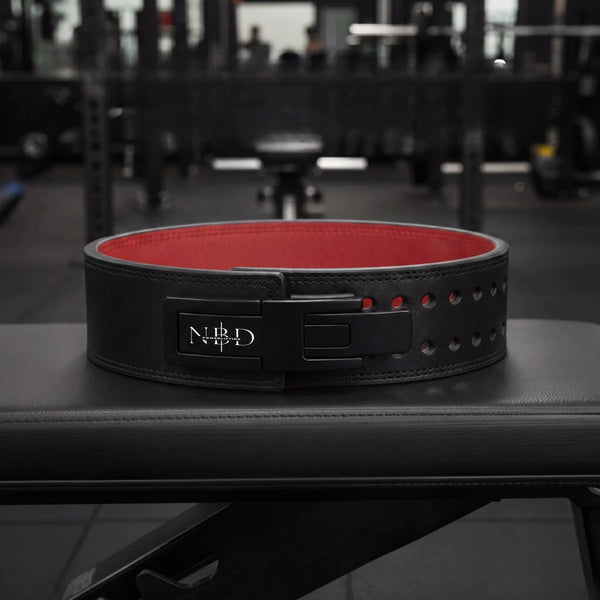
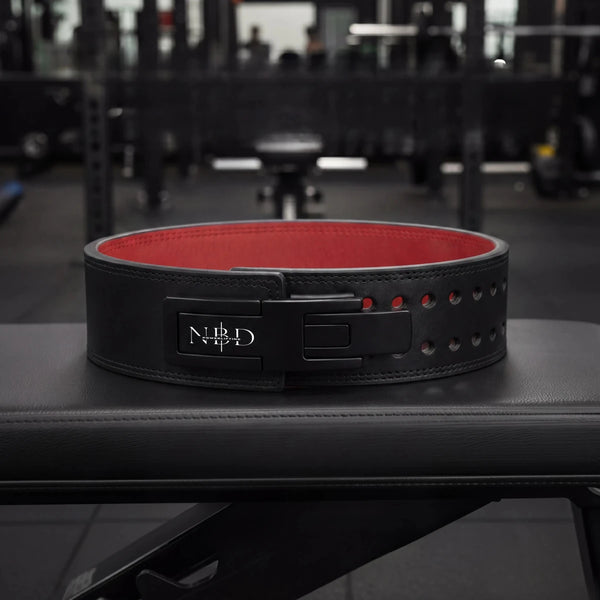
NBD 10mm Dual Pro Powerlifting Belt
Genuine leather, 10cm wide, dual-lock lever. The go-to belt for lifters who want maximum versatility across squats, deadlifts, and all compound movements.
Shop 10mm Belt →MAXIMUM SUPPORT
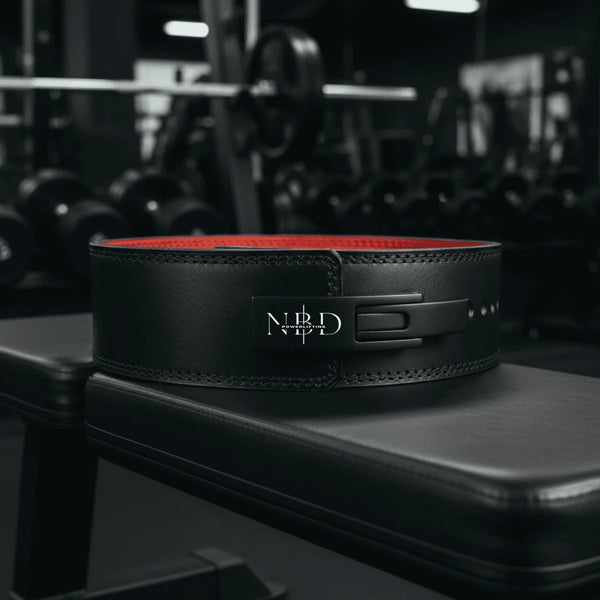
NBD 13mm Dual Pro Powerlifting Belt
Stiff veg-tanned leather, 10cm wide, dual-lock lever. Built for advanced lifters who need maximum rigidity at elite loads and competition-level bracing support.
Shop 13mm Belt →COMPETITION FAVOURITE
NBD Classic Lever Powerlifting Belt
10mm thick, lever buckle for instant on/off. Preferred by competitive lifters who need to make rapid weight adjustments between attempts on the platform.
Shop Lever Belt →How to Break In Your Belt (10mm vs 13mm)
Both thicknesses need to be broken in. Here's what to expect and how to speed up the process:
10mm break-in (2–4 weeks): Wear the belt for all heavy compound sets from day one. It will feel stiff for the first few sessions, then begin to soften and curve to your body. Most lifters find their 10mm NBD belt starts feeling like a second skin within 3 weeks of consistent use.
13mm break-in (4–8 weeks): The 13mm requires more patience. Between sessions, bend the belt in both directions with your hands to work the leather. Wear it tight from the first session — a 13mm worn too loose never forms correctly. It will feel uncomfortable for the first few weeks. That's normal. Push through it and by week 6–8 you'll have a belt that fits your body perfectly and provides maximum support.
One rule that applies to both: never oil a new leather belt. Let it break in through use first. After 3–4 months you can apply a small amount of leather conditioner to maintain suppleness.
Which Thickness Should You Buy?
If you're reading this and you're not sure which to pick — buy the 10mm. It handles everything from your first powerlifting session to competitive lifting at an intermediate-to-advanced level. It breaks in faster, works better across more movement patterns, and won't fight you on deadlifts. The NBD 10mm Dual Pro is the belt 80% of lifters will never need to replace.
Buy the 13mm if you're already an advanced lifter with a high total, you've trained in a 10mm for a year or more, and you want to feel what maximum rigidity does for your squat. Or if you're a competitive lifter preparing for a meet and want every permissible edge available.
Both belts will outlast your current programming cycle, your current gym, and probably your current PRs. Buy for where you're going, not just where you are.
Frequently Asked Questions — 10mm vs 13mm Belt
Is a 10mm or 13mm belt better for beginners?
A 10mm belt is the better choice for beginners. It breaks in faster, moulds to your body quicker, and allows better range of motion while you're still building your technique. Most beginner to intermediate lifters (squatting and deadlifting under 2x bodyweight) will get more from a 10mm.
Does belt thickness affect deadlift performance?
Yes. A 13mm belt provides more rigid support for maximal deadlifts, but many elite deadlifters actually prefer 10mm because it digs in less at the hip crease during the pull. If you pull sumo, 10mm is almost always the better choice.
What thickness belt do competitive powerlifters use?
Federation rules typically allow belts up to 13mm thick and 10cm wide, and both 10mm and 13mm are within competition specification in most rulebooks. Most elite lifters competing at high totals use 13mm for maximum rigidity, but 10mm is equally permissible and widely used at all levels. Always check your specific federation's current equipment rules before competition day.
How long does a 13mm belt take to break in?
A quality 13mm leather belt typically takes 4–8 weeks of consistent use to fully break in — around 15–25 training sessions. The process speeds up if you bend and work the leather between sessions. The NBD 13mm Dual Pro uses stiff veg-tanned leather that softens to your body's exact curve over time.
Can I use the same belt for squats and deadlifts?
Yes — most lifters use one belt for both. A 10mm dual-prong or lever belt is the most versatile choice. The 10mm allows enough hip flexion for deadlifts while still providing excellent bracing support for squats. Only advanced lifters pushing elite totals typically switch belts between movements.
Not sure whether you even need a "powerlifting" belt? A gym belt and a powerlifting belt are the same tool — we cover exactly where the difference is real in Gym Belt vs Powerlifting Belt.
Ready to Buy the Right Belt?
Stop guessing. Both thicknesses are in stock. Prepaid orders above ₹1,000 ship free across India. Built for lifters who train seriously.
SHOP POWERLIFTING BELTS →