

HOW TO BREAK IN A
LEVER BELT
FAST
Your new leather lever belt is stiff for a reason — it's built to last a decade. Here's how to break it in fast without compromising the integrity of the leather.
The One-Line Answer
A 10mm lever belt breaks in within one to two weeks of regular training; a 13mm takes two to four. The five steps below shorten both. The goal is not to soften the leather but to get it to conform to the natural curve of your torso — that is what separates a belt you use for ten years from one you replace after two.
THE STIFFNESS IS A FEATURE, NOT A FLAW
Every serious lifter has been there — first session with a new belt, and it feels like wearing a plank of wood. That's exactly how it should feel on day one.
A full-grain leather lever belt starts rigid because that's the nature of quality vegetable-tanned leather. It hasn't moulded to your body yet. That process — the break-in — is what separates a belt you'll use for ten years from one you'll replace after two.
The goal of breaking in your lever belt is simple: get the leather to conform to the natural curve of your torso so it creates consistent, even pressure every time you brace. A broken-in belt is more comfortable, produces better intra-abdominal pressure, and feels like a natural extension of your body under the bar.
How long does it take? A 10mm belt typically breaks in within 1 to 2 weeks of regular training. A 13mm belt takes 2 to 4 weeks. Both timelines can be accelerated significantly using the methods in this guide. And if you're not sure which thickness is right for you, the lever belt usage guide covers fit and positioning in detail.
Premium powerlifting belts use full-grain vegetable-tanned leather — the same material used in high-end saddles and boots. The tanning process preserves the natural fibre structure of the hide, which is why the leather starts dense and rigid.
This is fundamentally different from the chrome-tanned leather used in cheaper belts, which is softer from day one but breaks down far faster under repeated loading. A stiff new leather belt is not uncomfortable because of poor quality. It's uncomfortable because it hasn't been worn yet.
"A properly broken-in belt should feel like it was made specifically for your torso — because at that point, it was."Karman Singh — NBD Powerlifting
THE 5 STEPS TO BREAK IN YOUR BELT FASTER
Wear It Every Session — Including Warm-Up Sets
The single most effective method. Every time you put the belt on, you're compressing and flexing the leather slightly. Don't save it just for your heavy sets. Put it on from your first working set, even if you're pulling 60% of your max. The repetitive loading and unloading is what initiates the moulding process. Frequency beats intensity here — ten moderate sets in the belt does more for break-in than one maximum effort set.
Roll It Around a Barbell Sleeve Each Evening
After training, curl the belt tightly around a barbell sleeve (or any thick tube with a 2-inch diameter) and secure it with a resistance band or light weight. Leave it overnight. You're essentially pre-forming a curve into the leather in the direction it needs to flex when you wear it. Do this every night for the first two weeks and you'll shave significant time off the break-in process. This is the fastest passive method that requires zero extra effort from you.
Use It on High-Rep Sets First, Not Just Max Efforts
Higher-rep sets (sets of 5 or more) are better for break-in than singles and doubles. You're wearing the belt for a longer duration, bracing multiple times, and giving the leather more opportunities to flex. Program your belt usage to include your working sets of 5s, 4s, and 3s rather than only touching it when you hit your top sets. It also builds the habit of bracing properly under load, which is a technique benefit on top of the break-in benefit.
Condition With Leather Oil (Optional)
A single light application of neatsfoot oil or a quality leather conditioner to the inside surface of the belt can soften the fibres slightly and help the leather become more pliable. Apply a thin coat with a cloth, let it absorb for several hours before your next session, and don't over-apply. One application is enough to assist the process — it's a supplement to training in the belt, not a replacement for it. Avoid waxes or waterproofing sprays, which can seal the leather and reduce breathability.
Adjust Lever Position After 2 Weeks
Once you've been training in the belt for 2 weeks, revisit the lever position. As the leather softens and begins to curve, you may find the belt now sits slightly differently on your torso. The lever should still snap shut with moderate effort — if it's now too easy to close, move the lever one hole tighter. This ensures the belt is still delivering proper pressure rather than just sitting on your waist. Your local shoe cobbler can also drill new holes if needed.
WHAT "BROKEN IN" ACTUALLY FEELS LIKE
You'll know your belt is broken in when the following are all true. This usually happens between weeks 2 and 5, depending on training frequency and belt thickness.
It Moulds to Your Torso
The belt develops a gentle curve that matches the natural shape of your lower back and abdomen. When you put it on, it sits flush against your body rather than sticking out stiffly at the sides.
Consistent Pressure, No Hot Spots
Early on, a stiff belt creates pressure points — one edge digs in more than the other. A broken-in belt distributes pressure evenly across the full 4-inch width, which is what makes bracing feel productive rather than uncomfortable.
Lever Closes Cleanly
The lever should close with a satisfying snap — firm but not a battle. If you're still forcing it significantly after 3 weeks of training, check the lever position. The belt should be working with you, not against you.
You Stop Thinking About It Under the Bar
The final test. When the belt is properly broken in, you stop noticing it mid-lift. Your brain switches off the discomfort signal and focuses entirely on the movement. That's when you know it's ready.
A properly broken-in, well-maintained leather lever belt performs the way it should. That's what makes it a genuine long-term investment. At that stage, the leather is fully moulded to your body, the fibre structure remains intact, and the belt performs as well as it did in year one — just custom-fitted to you. Store it flat or loosely rolled (never tightly folded) and keep it away from extreme heat and moisture.
COMMON MISTAKES WHEN BREAKING IN A LEVER BELT
Only Wearing It for Max Efforts
If you only touch the belt when you're going for a PR, you're giving it too few opportunities to mould. You need repeated moderate loading across multiple sessions, not occasional heavy singles. This is the most common reason lifters report their belt still feels stiff after months of ownership.
Soaking or Over-Conditioning the Leather
More oil does not mean faster break-in. Saturating the leather with conditioner can weaken the fibre structure over time and cause the belt to lose its stiffness permanently — which means it loses its ability to create intra-abdominal pressure. One thin application of conditioner is helpful. Repeated heavy soaking is harmful.
Forcing It to Close on the Wrong Hole
If the lever is genuinely too difficult to close, you're either wearing the belt wrong or sized incorrectly. Forcing it closed with excessive effort session after session puts stress on the lever mechanism, not the leather. Check your sizing and lever position before assuming the break-in process requires brute force.
Giving Up After One Week
A 13mm leather belt after four or five sessions is going to feel uncomfortable — that's normal. The break-in timeline is 2 to 4 weeks for good reason. Stick with it. The discomfort is temporary; the performance benefit and longevity of the belt are permanent.
THE NBD BELT RANGE
Each NBD belt uses full-grain vegetable-tanned leather. The break-in process described above applies to all three. Choose your thickness based on your training phase and goals — and if you're unsure, the belt selection guide will help you decide.

Maximum stiffness and support. The preferred choice for intermediate to advanced lifters training heavy squats and deadlifts. Takes 2–4 weeks to break in fully.
Shop Now →
Premium full-grain leather with a refined finish. Slightly more flexibility in the initial layers while maintaining the full 13mm core. Break-in window: 3–4 weeks.
Shop Now →
Thinner profile, faster break-in (1–2 weeks), excellent for lifters under 100kg or those new to belt training. Full leather construction — same build quality, lighter feel.
Shop Now →FREQUENTLY ASKED QUESTIONS
READY TO BREAK IT ALL IN?
Built from full-grain leather. Made for lifters who train seriously and expect gear that lasts. Prepaid orders above ₹1,000 ship free across India.
Shop NBD Belts →The gear this guide is written about. Built and shipped from India.
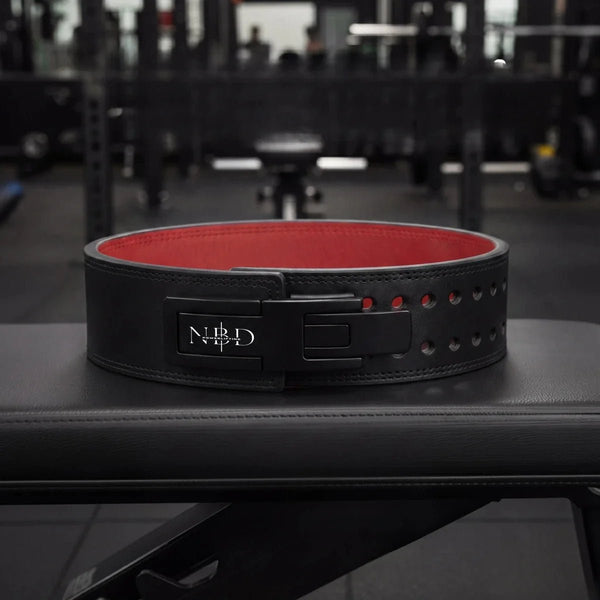 NBD Dual Pro Lever Belt (10mm & 13mm)Weightlifting Belt
View product
NBD Dual Pro Lever Belt (10mm & 13mm)Weightlifting Belt
View product
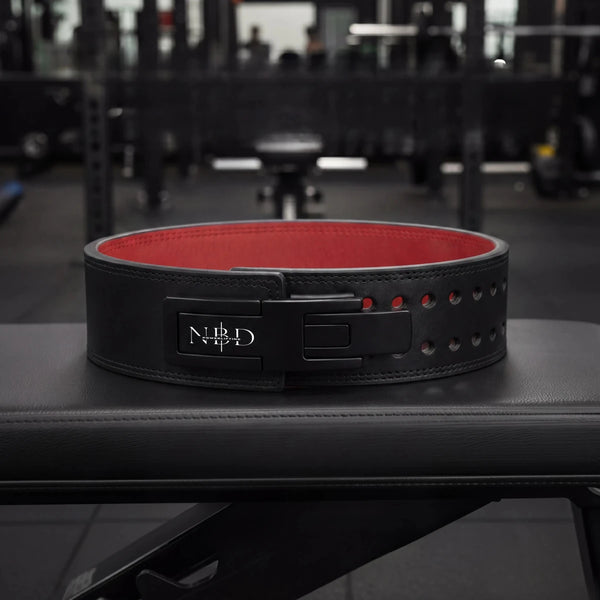 NBD 13mm Dual Pro Lever Belt – Elite Powerlifting Belt | Premium LeatherPowerlifting Belt
View product
NBD 13mm Dual Pro Lever Belt – Elite Powerlifting Belt | Premium LeatherPowerlifting Belt
View product
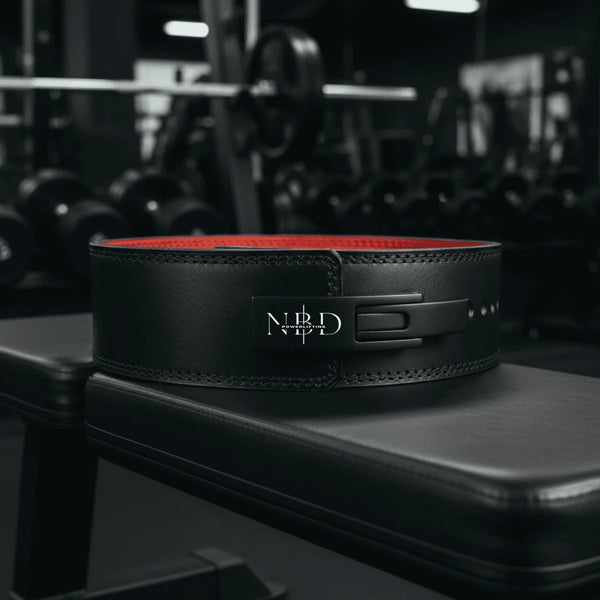 NBD 10mm Lever Belt – Premium Leather | Choose from all Classic, Dual Pro, Gold Lever VariantsPowerlifting Belt
View product
NBD 13mm Lever Belt – Premium Leather | Choose from all Classic, Dual Pro, Gold Lever VariantsPowerlifting Belt
View product
NBD 10mm Lever Belt – Premium Leather | Choose from all Classic, Dual Pro, Gold Lever VariantsPowerlifting Belt
View product
NBD 13mm Lever Belt – Premium Leather | Choose from all Classic, Dual Pro, Gold Lever VariantsPowerlifting Belt
View product
READY TO GEAR UP?
Shop India's most trusted powerlifting equipment — built for serious lifters.