

How to Clean a Leather Lifting Belt
How to clean a leather lifting belt: wipe, dry, deodorise and store it so it lasts. Built for Indian heat and monsoon damp. Nine sizes, XS-5XL, COD.
To clean a leather lifting belt, wipe the inside face down with a dry or barely damp cloth after every sweaty session, then let it air dry flat, away from direct heat and sunlight. Never soak it, never machine wash it, and never put it away damp — those three mistakes account for almost every belt that cracks, stiffens in the wrong places or starts to smell.

A powerlifting belt is not a fashion belt. It is a thick slab of leather that spends its working life pressed against bare skin under load, absorbing sweat on one face and nothing much on the other. Every NBD belt is cut from vegetable-tanned genuine leather, four inches wide, in 10mm and 13mm thicknesses. That material is why the belt lasts years, and why its care is different from anything else in your gym bag.
How to clean a leather lifting belt after every session
Take the belt off and give the inner face — the side that was against you — a wipe with a clean dry cloth. If the session was genuinely wet, dampen the cloth slightly with plain water, wring it out until it is barely moist, and wipe again. Then leave the belt out where air can move around it until it is fully dry to the touch.
That is the whole routine, and it takes under a minute. The point is not cleanliness for its own sake. Sweat is salt water, and salt left sitting in leather draws moisture out of the fibres as it dries, which is what leaves a belt feeling papery and brittle. Wiping it off before it dries in is the highest-value thing you will ever do for a belt.
Dry it flat on a bench or hang it over the back of a chair. Do not dry it on a balcony in direct sun, do not put it near a heater, and do not point a hair dryer at it. Heat drives the natural oils out of vegetable-tanned leather far faster than sweat ever will.
What will ruin the leather
Most belts that die young are not worn out. They are damaged in one go, by something the owner thought was cleaning.
Soaking or machine washing. Leather is a fibre structure held together by the oils in it. Full immersion flushes those oils out, and when the belt dries it dries hard, unevenly and permanently smaller. A machine also puts the lever hardware through a tumble it was never built for.
Hot water. Same mechanism, faster. Warm or hot water strips oil far more aggressively than cold.
Direct sun and direct heat. Sun bleaches and dries the grain until it crazes into fine cracks. A heater or a hair dryer does the same thing in an afternoon.
Household detergent, dish soap or surface cleaner. These are designed to strip oil. That is exactly the property you do not want anywhere near your belt.
Alcohol wipes and sanitiser. They dry the grain and can lift the finish. To knock bacteria down, dry the belt properly instead — moisture is what they need, and removing it is what defeats them.
If the belt does get soaked, blot the surface water off and let it dry flat at its own pace. Slow is the whole trick.
Getting the smell out once it has set in
The leather is not what smells. Bacteria living in trapped sweat are what smells, which is why the fix is always about moisture and never about fragrance.
Start by getting the belt genuinely dry — not dry on the surface, dry through. Leave it in open air for a day or two, unrolled, with the inner face exposed. In most cases that alone is enough, because you have removed the only thing the bacteria needed. If the odour survives, wipe the inner face with a cloth wrung out in plain water and dry it fully again. Patience does more here than any product.
What does not work: spraying deodoriser or body spray into the leather, which adds moisture and scent on top of the problem; sealing the belt in a plastic bag with anything; and leaving it in a closed gym bag to "air out", which is the opposite of airing out. A belt that lives in a zipped bag between sessions will smell no matter how carefully you wipe it.
Storing a belt through monsoon and an Indian summer
Store the belt flat, or loosely rolled with the inner face outward. Never fold it sharply. A sharp fold puts all the stress on one line of grain, and that line eventually cracks through — it is the one form of belt damage that is genuinely not repairable.
The two worst places for a belt in India are both obvious once you say them out loud. The first is a closed gym bag, where sweat, heat and zero airflow sit together for days. The second is a sealed plastic cover or airtight box, which people reach for during monsoon precisely because they are worried about damp — and which traps the damp already in the leather instead of keeping new damp out.
What leather wants through a humid stretch is airflow. An open shelf in a ventilated room beats a sealed container every time. If your room stays damp for weeks, take the belt out every few days and let it sit in moving air for an hour.
Conditioner — when it helps, and when it costs you the belt's job
A single thin application of leather conditioner on a new belt is helpful, and it is a break-in tool rather than a maintenance one — how to break in a lever belt covers how and when.
The maintenance boundary is the part worth stating here, because most advice online gets it backwards. Saturating the leather with conditioner weakens the fibre structure over time and causes the belt to lose its stiffness permanently. Stiffness is not a cosmetic quality on a powerlifting belt — it is the entire function. A belt that has gone soft no longer gives your brace a wall to push against, and no amount of care brings that back.
So the honest answer on conditioner is: rarely, thinly, and only if the leather looks genuinely dry. Most belts are over-conditioned, not under-conditioned.
The lever and the hardware
Wipe the metal dry along with the leather, and every few weeks check that the lever screws are still tight. Sweat and humidity work on hardware as well as on grain, and a lever with a loose screw will drift out of adjustment before it ever fails outright. How to adjust a lever belt covers the screws, the humidity and the adjustment itself in full.
When it is worn out, not dirty
A belt that has moulded to the shape of your torso is not a worn belt — that is the belt doing what vegetable-tanned leather is supposed to do, and it usually takes three to four weeks of regular training on a 13mm to begin. Do not replace a belt for that.
Replace it when the grain has cracked through rather than creased, when stitching lifts at the tongue or around the lever plate, or when a section has gone permanently soft and no longer springs back against your brace. Those are structural signals. A stained, scuffed, darkened belt with an intact structure is a belt in its prime.
If you are buying a replacement, or a second belt so one can dry while the other works, measure again at the navel rather than trusting your old size — the size guide walks through it, and the 10mm lever belt and 13mm lever belt run nine sizes, XS to 5XL.
FAQ
Can you wash a leather lifting belt?
No. Machine washing or soaking a leather lifting belt flushes the oils out of the fibre structure, and the belt dries hard, uneven and permanently smaller. Clean it instead by wiping the inner face with a dry or barely damp cloth after sweaty sessions, then air drying it flat away from direct heat and sunlight.
How do I get the smell out of my lifting belt?
The smell comes from bacteria in trapped sweat, not from the leather. Dry the belt fully in open air for a day or two with the inner face exposed. If it lingers, wipe that face with a cloth wrung out in plain water and air dry again. Never spray deodoriser into leather.
Can I use soap and water on a leather belt?
Plain water on a barely damp cloth is fine. Household soap, dish soap and surface cleaners are not, because they are formulated to strip oil, which is the one thing holding the leather's fibre structure together. Skip saddle soaps and specialist products too unless the leather is genuinely dry and stiff.
How often should I clean my lifting belt?
Wipe the inner face after every session you sweat through, which for most lifters means every session. It takes under a minute. Beyond that, leather needs airing far more than it needs cleaning, so the more useful habit is simply never putting the belt away damp or in a closed bag.
Should I oil or condition my powerlifting belt?
Rarely, thinly, and only if the leather looks genuinely dry. One light application on a new belt helps it break in. Saturating it weakens the fibre structure over time and the belt loses stiffness permanently, which costs you the wall your brace pushes against. Most belts are over-conditioned.
How should I store a lifting belt?
Flat, or loosely rolled with the inner face outward, somewhere air can move around it. Never fold it sharply, because the fold line eventually cracks through. Avoid closed gym bags and sealed plastic covers, which trap the damp already in the leather instead of keeping new damp out.
How long does a leather lifting belt last?
A vegetable-tanned belt that is wiped down, dried properly and stored flat will outlast years of heavy training. The limit is almost never the leather wearing out — it is a single avoidable event, such as a soaking, a sharp fold, or months spent sealed in a damp bag.
What do I do if my belt got soaked?
Blot the surface water off with a towel, lay the belt flat somewhere with moving air, and let it dry at its own pace. Do not use a heater, a hair dryer or direct sun to speed it up, because heat drives the natural oils out of the leather and that damage is permanent.
Every NBD belt is cut and finished in Sirsa, Haryana, where Karman Singh started the brand in 2014, and ships pan-India, with cash on delivery available at an extra charge. NBD Powerlifting is an Indian manufacturer of competition-grade powerlifting equipment — lever belts, knee sleeves, wrist wraps and lifting straps — serving 15,500+ lifters across India.
The gear this guide is written about. Built and shipped from India.
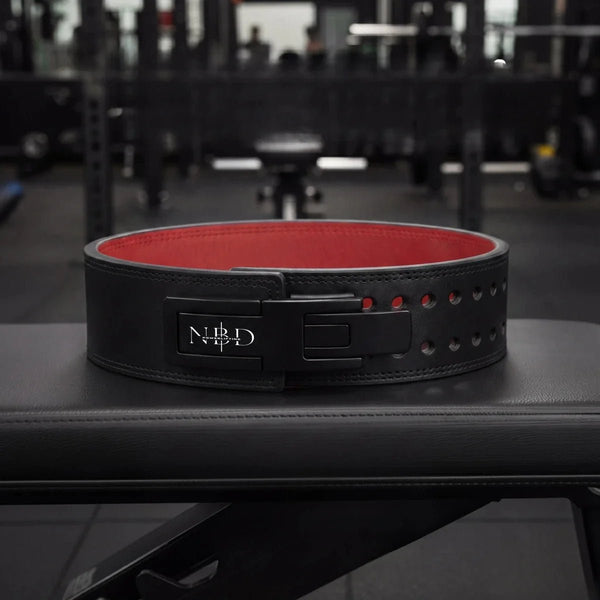 NBD Dual Pro Lever Belt (10mm & 13mm)Weightlifting Belt
View product
NBD Dual Pro Lever Belt (10mm & 13mm)Weightlifting Belt
View product
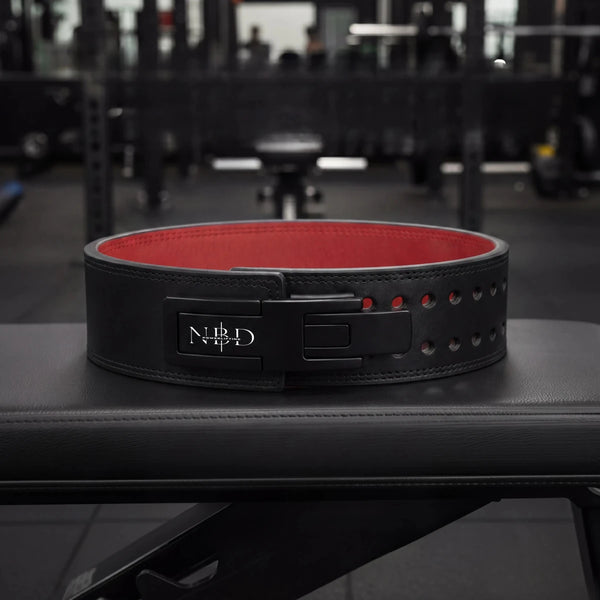 NBD 13mm Dual Pro Lever Belt – Elite Powerlifting Belt | Premium LeatherPowerlifting Belt
View product
NBD 13mm Dual Pro Lever Belt – Elite Powerlifting Belt | Premium LeatherPowerlifting Belt
View product
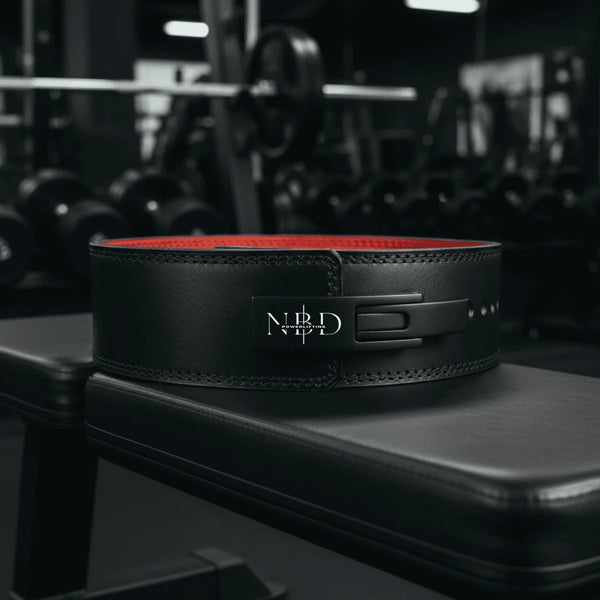 NBD 10mm Lever Belt – Premium Leather | Choose from all Classic, Dual Pro, Gold Lever VariantsPowerlifting Belt
View product
NBD 13mm Lever Belt – Premium Leather | Choose from all Classic, Dual Pro, Gold Lever VariantsPowerlifting Belt
View product
NBD 10mm Lever Belt – Premium Leather | Choose from all Classic, Dual Pro, Gold Lever VariantsPowerlifting Belt
View product
NBD 13mm Lever Belt – Premium Leather | Choose from all Classic, Dual Pro, Gold Lever VariantsPowerlifting Belt
View product
READY TO GEAR UP?
Shop India's most trusted powerlifting equipment — built for serious lifters.