

How to Adjust a Lever Belt So It Actually Fits
A lever belt is adjusted by unscrewing the lever and moving it, not by pulling it tighter. How to reposition it, and when to size up instead.
A lever belt is adjusted by unscrewing the lever and moving it to a different set of holes — not by pulling the strap tighter like a prong belt. That is the whole answer, and it takes about two minutes with a screwdriver.
The reason this catches people out is that a lever belt has no adjustment range once it is set. It locks to exactly one circumference. Getting that circumference right is a one-time job you do at the start, and again once the leather has broken in.
The adjustment, step by step
- Unlock the lever and lay the belt flat, outside face down, on a table or the floor.
- Unscrew the two screws holding the lever plate to the belt. A standard Phillips screwdriver fits. Keep the screws somewhere they cannot roll away — they are small.
- Slide the lever to the next set of holes. Moving it one hole tighter or looser changes the fit by roughly a centimetre and a half — a meaningful amount, so move one hole at a time.
- Line up both screw holes before you start threading. Forcing a screw into a hole that is not aligned is how threads get stripped.
- Tighten firmly, then test. Put the belt on, lock the lever, and brace as if you were about to squat. Correct is tight enough that a hard brace pushes out against it, loose enough that you can draw a full breath in first.
If you have to suck your stomach in to close it, it is one hole too tight. If you can slide a flat hand between the belt and your stomach after locking it, it is one hole too loose.
When to move the lever, and when to size up instead
Moving the lever solves a fit that is slightly off. It does not solve the wrong size.
Each belt has a limited run of holes, and the lever has to sit on them. If you find yourself at the last hole in either direction and still not right, the belt is the wrong size and no amount of adjustment will fix it. That is a sizing problem, and it is worth reading the lifting belt size guide before buying rather than after.
The measurement that matters is around your waist at the navel, standing relaxed — not your trouser size, which is almost always smaller. The size guide covers the full ladder, which runs XS to 5XL across the lever belt range.
One case where adjustment is expected: body weight change. A lifter who gains or loses ten kilos will need the lever moved. That is normal and it is exactly what the adjustable mounting is for.
Break-in changes the fit — plan for a second adjustment
A new leather belt is stiff, and stiff leather does not conform to your body yet. Over the first few weeks of training it softens and moulds, and as it does it effectively gets slightly longer around you.
This means the fit you set on day one is usually not the fit you want on day thirty. Most lifters end up moving the lever one hole tighter after the belt has broken in properly. This is not a defect and it is not the belt stretching out — it is the leather doing what leather is supposed to do. Breaking in a lever belt properly is what gets you to that point faster.
Do not chase the fit during week one. Set it, train in it, and re-check after the belt has stopped feeling like a plank.
Keeping the screws from working loose
This is the part nobody mentions until it happens.
The two screws holding the lever take a shear load every time you brace hard against the belt. Over months of heavy training they can work loose. A lever that rattles slightly when you shake the belt is a lever that needs tightening, and a lever that comes off mid-set is a lever that was rattling for weeks first.
Check them once a month. It takes ten seconds — hold the belt by the lever and give it a shake. If there is play, tighten the screws.
If a screw will no longer hold because the hole has been over-worked, that is a repairable problem, not a dead belt. A replacement lever buckle can be fitted to a belt whose leather is still sound, which on a well-made belt is most of its life.
Humidity, sweat and the metal
In most of India the belt spends its life somewhere warm and humid, and it gets sweated on.
Sweat is salty and salt corrodes screw threads. A lever that has seized or a screw head that has started to round off is almost always a belt that was put away damp, repeatedly. Wipe the lever and the screws dry after training and the problem does not start. Store the belt flat or loosely rolled, out of a sealed bag, somewhere it can breathe.
The leather wants the same treatment: dry, out of direct sun, not folded hard against itself. Real leather on a belt like the 13mm lever belt — seven layers of it — improves for years if it is kept dry and gets worse in months if it is not.
What a correctly adjusted belt should feel like
Braced, not squeezed. The belt is a surface to push your abdomen out against, which is what raises intra-abdominal pressure and stabilises your spine. It is not a corset and it is not doing the work for you.
You should be able to take a full breath in before you brace. If you cannot, the belt is too tight and you have made your brace weaker, not stronger — you cannot push out against something you have no air to push with.
FAQ
How tight should a lever belt be?
Tight enough that a hard brace pushes firmly against it, loose enough to take a full breath in before you brace. If you have to hold your stomach in to fasten it, move the lever one hole looser. A belt so tight you cannot breathe in makes your brace weaker, not stronger.
Can you adjust a lever belt without a screwdriver?
No. The lever is bolted to the belt with two screws and repositioning it requires removing them. This is deliberate — the fixed mounting is what gives a lever belt the same locked circumference every single rep, which a prong belt cannot guarantee.
How far does moving the lever one hole change the fit?
Roughly a centimetre and a half per hole, which is enough to feel clearly. Always move one hole at a time and test the fit before going further. Jumping two holes usually overshoots and you end up moving it back.
Why does my lever belt feel looser than when I bought it?
Because the leather has broken in and moulded to you. This is normal and expected over the first few weeks of training, not a fault. Move the lever one hole tighter once the belt has stopped feeling stiff, and it will hold that fit for years.
What do I do if the lever screws keep coming loose?
Check and tighten them monthly — hold the belt by the lever and shake it, and tighten if there is play. Screws work loose from the shear load of hard bracing. If a hole no longer holds a screw, a replacement lever can be fitted rather than replacing the belt.
Do I need a different lever for a thicker belt?
No. The same lever mounts to belts of different thicknesses; what changes is the screw length needed to pass through the leather. NBD levers are made to fit NBD belts across the range, so a replacement is a straight swap rather than a compatibility exercise.
Prepaid orders ship free across India. Cash on Delivery is available across serviceable pin codes at an extra charge over prepaid — the delivery charge is shown at checkout.
NBD Powerlifting is an Indian manufacturer of competition-grade powerlifting equipment — lever belts, knee sleeves, wrist wraps and lifting straps — serving 15,500+ lifters across India. Written by Karman Singh, who founded NBD in Sirsa, Haryana in 2014.
The gear this guide is written about. Built and shipped from India.
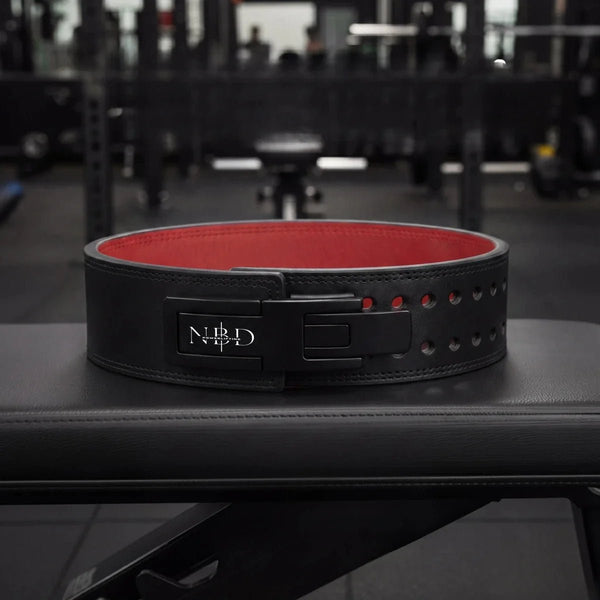 NBD Dual Pro Lever Belt (10mm & 13mm)Weightlifting Belt
View product
NBD Dual Pro Lever Belt (10mm & 13mm)Weightlifting Belt
View product
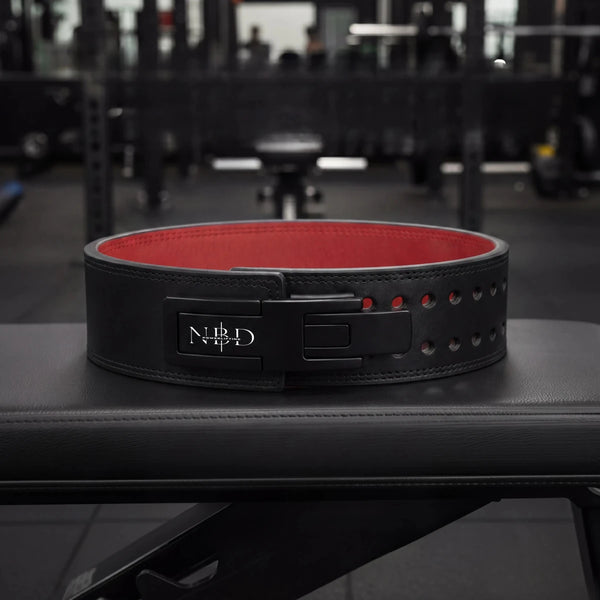 NBD 13mm Dual Pro Lever Belt – Elite Powerlifting Belt | Premium LeatherPowerlifting Belt
View product
NBD 13mm Dual Pro Lever Belt – Elite Powerlifting Belt | Premium LeatherPowerlifting Belt
View product
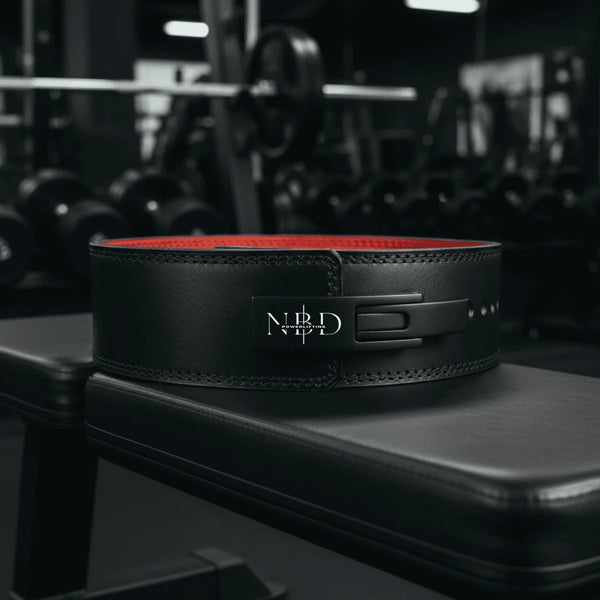 NBD 10mm Lever Belt – Premium Leather | Choose from all Classic, Dual Pro, Gold Lever VariantsPowerlifting Belt
View product
NBD 13mm Lever Belt – Premium Leather | Choose from all Classic, Dual Pro, Gold Lever VariantsPowerlifting Belt
View product
NBD 10mm Lever Belt – Premium Leather | Choose from all Classic, Dual Pro, Gold Lever VariantsPowerlifting Belt
View product
NBD 13mm Lever Belt – Premium Leather | Choose from all Classic, Dual Pro, Gold Lever VariantsPowerlifting Belt
View product
READY TO GEAR UP?
Shop India's most trusted powerlifting equipment — built for serious lifters.