Powerlifting Belt for Squats — Everything You Need to Know
The squat is where a lifting belt earns its keep more than on any other lift — it's the movement where core stability under a loaded spine matters most, for longest, under the most fatigue. This guide covers exactly how a belt helps your squat, which thickness to choose, how to wear it correctly, and when to actually start using one.
The One-Line Answer
A belt does not lift the weight for you — it gives your core something rigid to push against, which spikes intra-abdominal pressure and turns your midsection into a stiffer, more stable cylinder around your spine. That is what keeps your torso from folding forward out of position through the bottom of a heavy squat. Thickness controls how rigid it feels: 13mm is the firmest, and the standard pick for lifters squatting heavy and often.
How a Belt Actually Helps Your Squat
A belt doesn't lift the weight for you — it gives your core something rigid to push against. When you brace properly, your abs, obliques, and lower back push outward into the belt, which spikes intra-abdominal pressure and turns your midsection into a stiffer, more stable cylinder around your spine. That stability is what lets you stay tight through the bottom of a heavy squat instead of losing position when things get hard.
This matters most on the squat specifically because of how long you're under load with a bent spine compared to, say, the bench press. The deeper and heavier the squat, the more that extra stability protects your lower back and keeps your torso from folding forward out of position.
10mm vs 13mm — Which Thickness for Squats
Thickness controls how rigid the belt feels against your core. A 13mm belt is the firmest, least-give option, which is why it's the standard pick for lifters squatting heavy and often — you get maximum resistance to brace against, with virtually no compression as the set gets hard.
A 10mm belt flexes slightly more at the hip crease, which some lifters find more comfortable in a deep squat stance, especially earlier in their bracing development. Neither is objectively better — 13mm is the choice once you're squatting heavy and want zero compromise on rigidity; 10mm is a very reasonable choice if comfort in the bottom position matters more to you right now, or you're still building up toward your heaviest work.
How to Wear a Belt Correctly for Squats
- Position: Sits roughly level around your natural waist, just above your hip bones — not resting on them, and not up under your ribs.
- Tightness: Tight enough that a full breath in requires real effort against it. If you can breathe normally with no resistance, it isn't doing its job.
- Bracing sequence: Breathe deep into your belly and sides, push outward into the belt on all sides — front, obliques, and lower back — then hold that brace through the entire rep, not just the descent.
- Timing: Buckle it before you unrack the bar, not after — you want to be braced and stable the moment weight loads onto your spine.
When Should You Start Wearing One?
Once you can brace and squat with solid technique unbelted, and your working sets start climbing toward roughly 80% of your one-rep max, a belt starts adding real value. Wearing one on every warm-up set or from your very first training session isn't necessary — and can actually slow down learning to brace on your own, which is a skill worth having regardless of what you're wearing.
A belt is a lifetime piece of equipment once you're training seriously — buy the thickness that matches how you actually squat, not the cheapest option to try out. A leather belt built properly holds its rigidity for years of heavy training; it's not something to replace every season.
Common Mistakes Lifters Make
- Wearing it too loose — if there's no resistance to brace against, you're not getting the stability benefit at all.
- Never learning to brace without one — a belt amplifies good bracing technique, it doesn't replace it. Build the skill unbelted first.
- Wrong position — too high under the ribs restricts breathing mechanics; too low on the hips gives nothing to push against.
- Buying the wrong thickness for your build — a taller torso or narrower waist often does better with 10mm's extra flexibility at the hip crease.
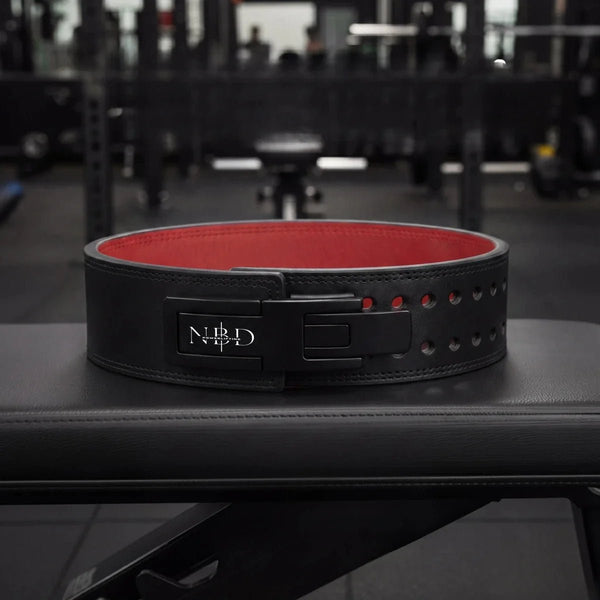
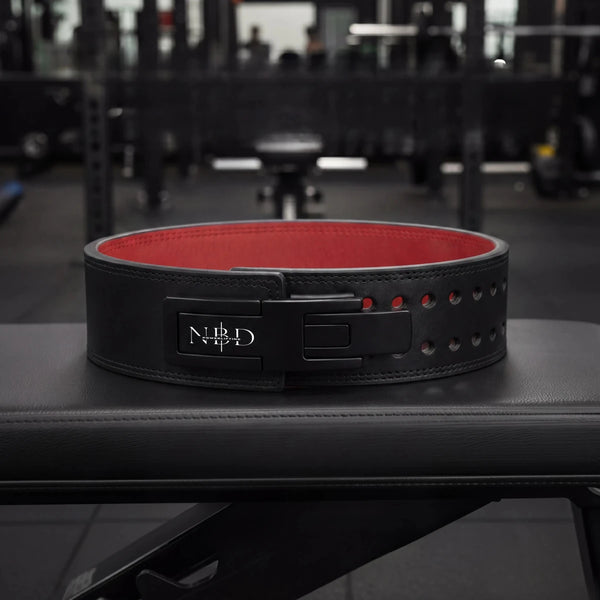
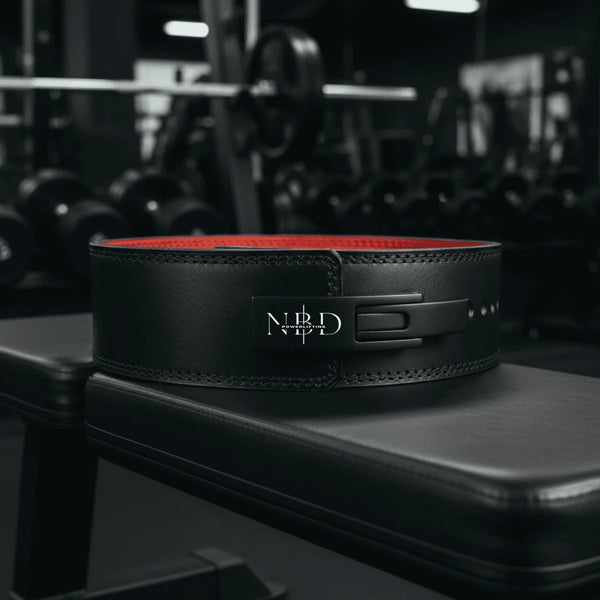
NBD Belts Built for Squatting
Both are competition-standard construction, sized properly at the hip crease for a real squat stance rather than just a straight-line waist measurement:
MAXIMUM RIGIDITY

NBD 13mm Dual Pro Lever Belt
Maximum core lockdown for heavy, serious squatting. Built to outlast a decade of training.
See Current Price →COMFORT + STABILITY

NBD 10mm Lever Belt
Slightly more give at the hip crease — a strong choice while you build up your bracing technique.
See Current Price →SQUAT CROSS-SELL

NBD PRO 7mm Knee Sleeves
Pairs with any belt for joint support through high-volume squat training.
See Current Price →Getting the Size Right
Measure at your natural waist, not your pant size, and size for the position you'll actually squat in. Our belt size guide walks through exact measurements so your first belt fits correctly rather than needing a swap.
Frequently Asked Questions
Does a belt actually help your squat?
Yes — a properly worn belt gives your core something rigid to brace against, which raises intra-abdominal pressure and stabilises your spine under load. Most lifters feel noticeably tighter and more stable in the hole once they learn to brace against a belt correctly.
What thickness belt is best for squats?
13mm gives the firmest, most rigid bracing surface and is the standard choice for heavy squatting. 10mm is slightly more forgiving at the hip crease and suits lifters who want a stiff belt without maximum rigidity, or who are still building up their bracing technique.
Should the belt be tight or loose for squats?
Tight enough that you have to actively push your abs out against it to breathe — that resistance is the entire point. If you can breathe normally with no effort, it's too loose to do its job.
When should a lifter start wearing a belt for squats?
Once you can brace and squat with solid technique unbelted, and your working sets start climbing past roughly 80% of your max. Wearing one on light warm-up sets or from day one of training isn't necessary and can slow down learning to brace on your own.
Squat Heavier, Squat Safer
A belt built to last as long as your training does. Prepaid orders above ₹1,000 ship free across India.
SHOP POWERLIFTING BELTS →