

Are Gym Gloves Worth It? What Gloves Do, and What to Use Instead
Are gym gloves worth it? They add comfort, not grip. What gloves do, when they are fine, and when straps, wrist wraps or chalk do the job better.
For most lifters, gym gloves are worth it only for comfort: they cover the palm, but the padding makes the bar thicker in your hand, which usually makes a heavy grip harder, not easier. Whatever made you reach for gloves, there is normally a better tool for it — lifting straps when the bar slips on heavy pulls, wrist wraps when your wrists bend back on presses, chalk for sweaty hands, and a little skin care for calluses.
This page explains what gloves actually do, why so many lifters in Indian gyms wear them, when they are a perfectly reasonable choice, and what to use instead once the weights get heavy.
Are gym gloves worth it? What they actually do
A typical gym glove is a fingerless leather or synthetic glove with padding across the palm. Some add a short wrist strap. That gives you three things:
- A layer between your skin and the bar. Knurling, rough handles and shared equipment do not touch your palm directly.
- Some cushioning. Light dumbbells and machine handles feel softer.
- A familiar feeling. For many people, gloves are simply part of getting ready to train.
What gloves do not give you is more grip. The padding sits between your fingers and the bar, so the bar becomes effectively thicker and sits further out in the hand. Closing your fingers around a thicker bar takes more effort, and the glove itself can shift against your skin once your hands sweat. On a heavy deadlift or row, that is the opposite of what you want.
The short wrist strap on some gloves is not wrist support in any real sense either. It is too thin and too loose to stop a wrist folding back under a heavy press.
Why so many lifters in India wear gloves
Gloves are often the first thing a new member buys, and the reasons are understandable:
- Calluses. Nobody likes hard skin catching and tearing on the bar.
- Sweat. In a humid summer, a bar gets slippery fast.
- Shared equipment. Many people would rather not hold a handle that a hundred hands touched before theirs.
- Habit. If everyone in the gym wears gloves, you buy gloves.
Every one of those is a fair reason. The point is that each problem has a tool that solves it better than a glove does.
Gloves vs lifting straps vs wrist wraps vs chalk
| The problem | What gloves do | What solves it |
|---|---|---|
| The bar slips out of your hands on heavy pulls | Little — the padding can make it worse | Lifting straps |
| Your wrists bend back on bench or overhead press | Very little, even with a wrist strap | Wrist wraps |
| Your hands sweat and the bar feels slippery | Hide the sweat, until the glove slides too | Chalk |
| Calluses catch and tear | Cover them | Keeping calluses filed down, and a better hand position on the bar |
| You do not like touching shared equipment | Cover your palm | Gloves are a fair choice here, or wipe the handle first |

Lifting straps tie your hands to the bar, so your grip stops being the reason a heavy pull ends. You loop the strap around the bar, wind it, and close your hand over it. They are for deadlifts, rows, shrugs and rack pulls, not for presses. How to use lifting straps covers the technique.
Wrist wraps hold the wrist joint stacked under the bar so it does not fold backwards on a heavy press. They are for bench and overhead pressing, not for pulling. If you are not sure which of the two you need, wrist wraps vs lifting straps sets out the difference lift by lift.
Chalk dries the skin, so the bar stays where you put it. Liquid chalk is the practical version for a commercial gym: a few drops rubbed into the palms, no cloud of powder over the next bench.
When gloves are a reasonable choice
There is nothing wrong with gloves on work where grip is never the limit:
- Machines and cables with padded or rubber handles.
- Light dumbbell work where the weight is nowhere near what your hands can hold.
- Cardio equipment, if you simply prefer it.
- Hygiene preference, if covering your palm on shared handles matters to you.
If gloves make you more comfortable on these, wear them. The aim is not to ban gloves; it is to stop them getting in the way when the weights get heavy.
When to take the gloves off
Take them off when your hands have to hold a heavy load:
- Deadlifts, heavy rows and shrugs. This is where a thicker, shifting grip costs you reps. Use bare hands with chalk, and straps on the sets where grip runs out first.
- Pull-ups and chin-ups. A bare, chalked hand holds the bar more securely than a glove that can slide.
- Heavy bench and overhead press. The glove's padding moves the bar off the heel of your palm. If your wrists need support, a wrist wrap does that job and a glove does not.
How to handle calluses without gloves
Calluses are normal for anyone who lifts. The problem is not the callus but the thick edge that catches on the bar and tears. A few habits keep them manageable:
- Hold the bar lower in the hand. On pulls, set the bar at the base of your fingers rather than in the middle of the palm. A bar in the middle of the palm slides down as you lift and folds the skin, which is what builds the thick ridge.
- File them down regularly. A pumice stone or foot file once a week, after a shower, keeps calluses flat so they do not catch.
- Keep the skin from drying out. Very dry skin cracks more easily. A plain moisturiser on rest days helps.
- Use chalk and straps instead of more padding. Chalk keeps the bar from sliding over the skin, and straps take the load off the hands on the heaviest pulling sets.

What to use instead of gloves
If you are replacing gloves, match the tool to the problem rather than buying everything at once:
- NBD Lifting Straps come in three shapes — Straight, Infinity 8 and Collar — sold as a left-and-right pair, with padding where the strap sits on the wrist. The padding is for comfort; it is not wrist support.
- NBD Wrist Wraps come in 18 inch, 24 inch and 1 metre lengths with a thumb loop and Velcro closure. How to wear wrist wraps shows how to wrap across the joint itself.
- NBD Liquid Chalk is a quick-drying liquid, so it keeps your grip dry without dust.
All three sit together in the straps, wraps and sleeves collection.
FAQ
Are gym gloves worth it for beginners?
They can be, for comfort on machines and light dumbbells. A beginner's grip is rarely the limit at first, so gloves do little harm early on. As the weights on deadlifts and rows climb, take them off for those lifts, use chalk, and add lifting straps on the heaviest sets where grip runs out before your back and legs do.
Do gym gloves improve grip?
Not on heavy lifts. The padding makes the bar effectively thicker and moves it further from your fingers, and a glove can shift against sweaty skin. Both make a heavy grip harder to hold. Chalk improves grip by keeping your hands dry, and lifting straps take grip out of the equation on the heaviest pulling sets.
Are lifting straps better than gym gloves?
They do a different job. Straps tie your hands to the bar so a heavy deadlift, row or shrug is no longer limited by grip, which gloves cannot do. Gloves only cover the palm. For heavy pulling, straps are the right tool; for light machine work where grip never limits you, gloves are a matter of comfort.
Do gloves stop calluses?
They cover them, but they rarely stop them forming, because the glove itself can bunch and rub. What keeps calluses manageable is holding the bar at the base of the fingers rather than mid-palm, filing the thick edges down once a week, keeping the skin moisturised, and using chalk so the bar does not slide over the skin.
Do the wrist straps on gym gloves support the wrist?
Not in any meaningful way under a heavy press. The strap on a glove is thin and loosely closed, so it cannot hold the wrist stacked when a heavy bench or overhead press pushes it backwards. Wrist wraps are built for that job: a stiff, adjustable wrap pulled tight across the wrist joint itself.
If you are replacing gloves, start with the problem you actually have: straps for a slipping grip on pulls, wrist wraps for wrists that fold on presses, and chalk for sweat. NBD Powerlifting makes all three for lifters training in Indian gyms.
The gear this guide is written about. Built and shipped from India.
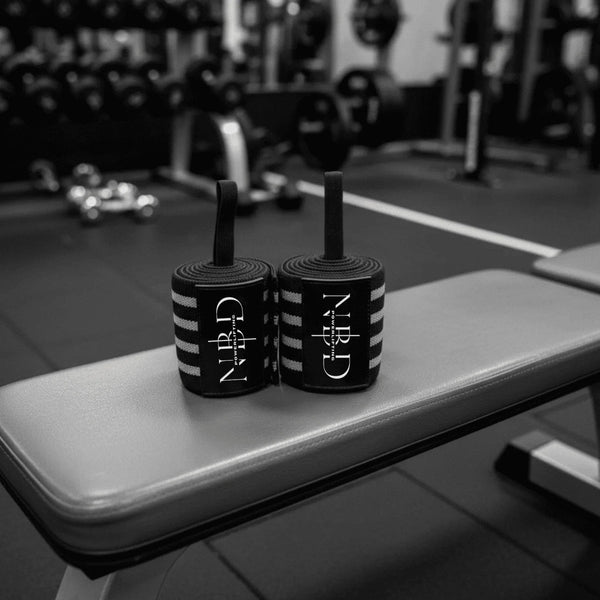 NBD Special 'Wrist Wraps'Wrist Wraps
View product
NBD Special 'Wrist Wraps'Wrist Wraps
View product
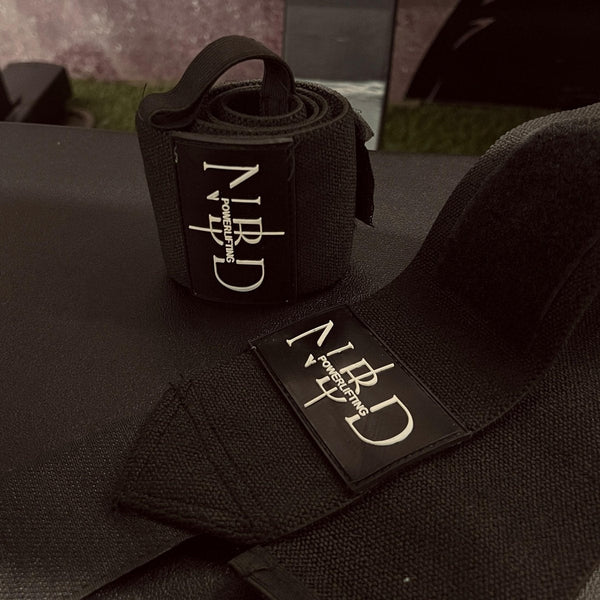 NBD Premium Wrist Wraps – Black Series | Superior Wrist Support for WorkoutsWrist Wraps
View product
NBD Premium Wrist Wraps – Black Series | Superior Wrist Support for WorkoutsWrist Wraps
View product
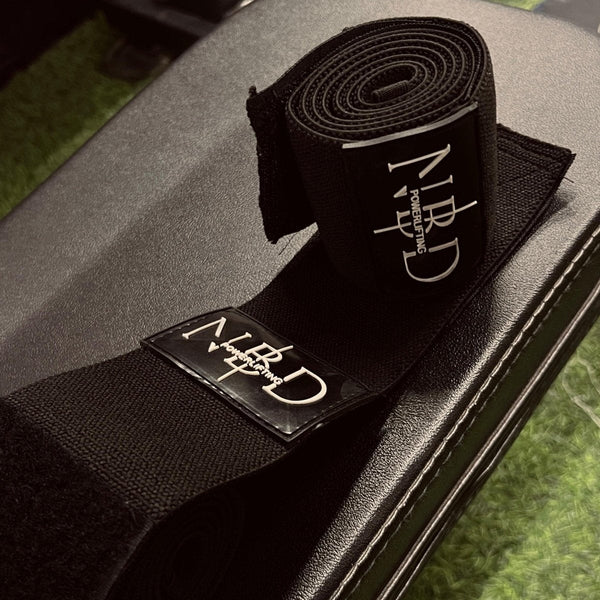 NBD Powerlifting Wrist Wraps – Competition Ready 1M Heavy-Duty Wrist SupportWrist Wraps
View product
NBD Powerlifting Wrist Wraps – Competition Ready 1M Heavy-Duty Wrist SupportWrist Wraps
View product
READY TO GEAR UP?
Shop India's most trusted powerlifting equipment — built for serious lifters.