

How to Wear Wrist Wraps So They Actually Support Your Wrist
Wrap across the wrist joint, not up the forearm — thumb loop, firm velcro, off between sets. Three lengths for every lift, pan-India shipping.
Loop the thumb, then wrap across the wrist joint itself — not up the forearm and not down over the hand. That single detail is the difference between a wrap that locks the joint and one that just looks tight.
Why most lifters wrap them wrong
Wrist wraps only do one job: hold the wrist in a neutral, stacked position so the load travels straight through your forearm instead of bending the joint back under a heavy bench or overhead press. They cannot add kilos to your lift on their own, and they are not a fix for a genuinely weak wrist — they stop the joint folding at the exact moment you need it rigid.
The most common mistake is wrapping too high, up onto the forearm, or too low, down over the base of the hand. Support has to sit centred on the joint itself, because that is the only point that actually collapses under load.
How to wrap them, step by step
- Loop the thumb through the built-in loop first. This anchors the wrap so it does not spin as you tighten.
- Cross the wrap over the joint itself, not up the forearm or down over the hand. The band should sit centred on the wrist crease.
- Pull tension as you go. Each pass should add compression — a wrap that goes on loose stays loose.
- Fasten the velcro firmly once you reach the end. It should feel tight and supportive, not numbing. If your fingers tingle or go cold, it is too tight — unwrap and redo it looser.
- Take them off between sets. Leaving them cinched for a whole session is uncomfortable and does nothing extra for the joint once the set is over.
Which length changes how you should wrap
NBD wrist wraps come in three lengths, and the length you buy changes how many times you can wrap and how stiff the result feels:
- 18 inch: Fewer turns, less restrictive. Good for general gym work and smaller wrists — wrap it once or twice around the joint.
- 24 inch: The versatile default. Wrap two to three times depending on how much support the lift needs.
- 1 metre (Powerlifting Special): Built to the maximum length named in the IPF Technical Rulebook. NBD is not on any federation's approved-equipment register, so check your own federation's rules before a meet. Enough material for several full turns and a genuinely locked wrist on max-effort presses. Overkill for light accessory work.
If your wraps feel like they run out of length before you get real tension, you likely need the next size up, not a tighter wrap on a shorter band.
When to wear them, and when not to
Wrist wraps earn their place on heavy bench press, overhead press, and any pressing work near your top end, where wrist collapse actually limits the lift. They are not necessary for warm-up sets, light accessory pressing, or exercises that do not load the wrist in extension — wearing them for an entire session trains nothing and just adds unnecessary compression.
Caring for your wraps
Hand wash in warm water with a mild detergent and air dry. Do not machine wash or tumble dry — heat and agitation break down both the elastic and the velcro. Fasten the velcro to itself before washing so it does not snag on anything else in the wash.
FAQ
Do you wrap wrist wraps around the wrist or up the forearm?
Around the wrist joint itself, centred on the crease where it bends. Wrapping up the forearm or down over the hand misses the point that actually collapses under a heavy press, so the wrap gives support where you do not need it.
How tight should wrist wraps be?
Tight enough to feel firm and supportive through the joint, loose enough that your fingers stay warm and you can still move them freely and grip the bar normally. Numbness or tingling means you have overtightened — unwrap and redo it with less tension before your next set.
What wrist wrap length should I buy?
18 inch suits general gym work and smaller wrists, 24 inch is the versatile default most lifters should start with, and the 1 metre Powerlifting Special is for heavy pressing where you want the wrist genuinely locked for a max-effort single.
Should I wear wrist wraps for every set?
No. Save them for heavy pressing work near your top end, where the wrist actually collapses under load. Light accessory work and warm-up sets do not load the wrist enough to need them, and wearing wraps all session adds compression without adding any real benefit.
Can wrist wraps replace wrist strength training?
No. Wraps support the joint during a heavy lift; they do not build the tendon and muscle strength that keeps your wrist stable without one. Use them for your heaviest work only, and train wrist and grip strength separately so you are not relying on the wrap long-term.
Do I need different wraps for bench press versus overhead press?
No — the same pair works for both, since each wrap is cut left- and right-specific and closes with the same velcro either way. What changes is how many times you wrap it: more turns for a stiffer set-up on a heavy bench single, fewer turns for lighter overhead work.
Wrist wraps ship pan-India on every order, and NBD builds all three lengths — 18 inch, 24 inch, and the full 1 metre Powerlifting Special — to the same specification used in its wrist wraps. For heavy pressing days, pair them with elbow wraps; for squat day, add knee sleeves and a belt from the NBD belts range. See the full wrist wraps collection, NBD's best wrist wraps guide, the lever belt adjustment guide, or the knee wrap guide for the rest of the setup. Questions about sizing or orders — check the FAQ. NBD Powerlifting is founded by Karman Singh and manufactures competition-specification lifting gear in India.
The gear this guide is written about. Built and shipped from India.
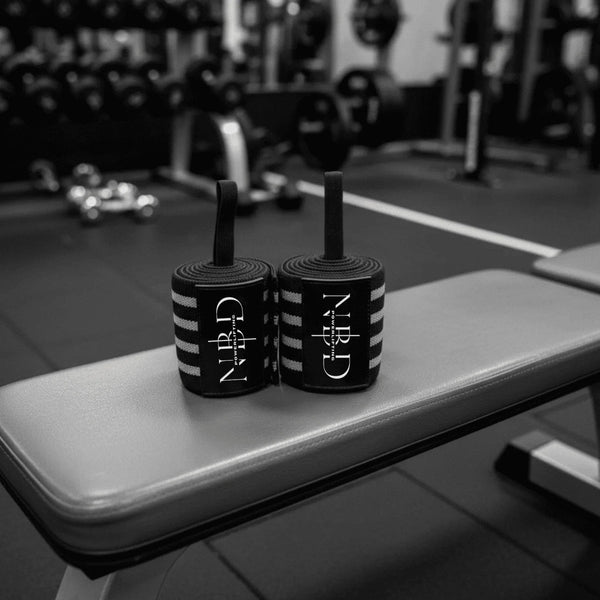 NBD Special 'Wrist Wraps'Wrist Wraps
View product
NBD Special 'Wrist Wraps'Wrist Wraps
View product
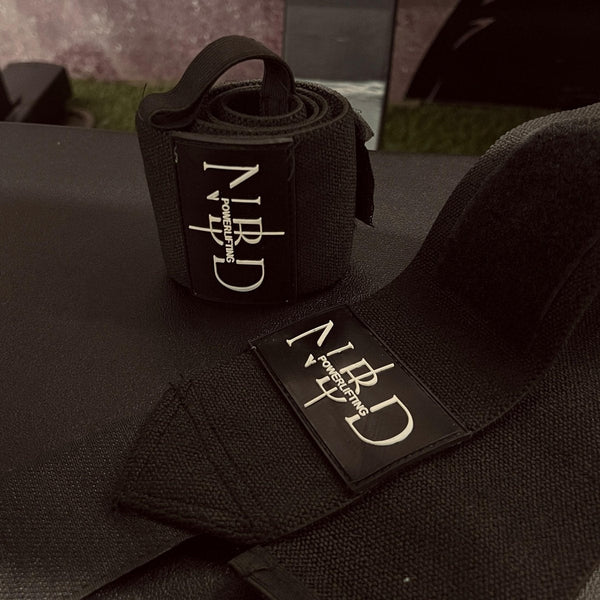 NBD Premium Wrist Wraps – Black Series | Superior Wrist Support for WorkoutsWrist Wraps
View product
NBD Premium Wrist Wraps – Black Series | Superior Wrist Support for WorkoutsWrist Wraps
View product
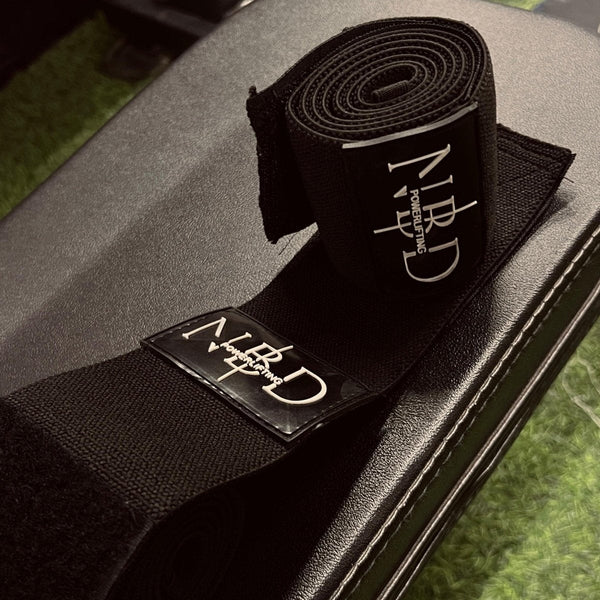 NBD Powerlifting Wrist Wraps – Competition Ready 1M Heavy-Duty Wrist SupportWrist Wraps
View product
NBD Powerlifting Wrist Wraps – Competition Ready 1M Heavy-Duty Wrist SupportWrist Wraps
View product
READY TO GEAR UP?
Shop India's most trusted powerlifting equipment — built for serious lifters.