

Wrist Wraps vs Lifting Straps — Which One Do You Actually Need?
Wraps hold the wrist under a press. Straps hold the bar on a pull. How to tell which one your training needs, and when you need both.
Wrist wraps support the wrist joint so it does not fold backwards under a press. Lifting straps do something completely different: they tie your hands to the bar so your grip stops being the reason a heavy pull ends.
They are not two grades of the same product and they do not substitute for one another. If you press heavy, you want wraps. If you pull heavy, you want straps. If you do both, you want both.
Wrist wraps vs lifting straps: the difference in one line
A wrist wrap is a stiff, adjustable band worn around the wrist joint to keep it stacked under load. A lifting strap is a length of material looped around the bar and your wrist so the bar cannot roll out of your fingers. One stabilises a joint. The other replaces a failing grip.
That is the whole distinction, and almost every buying mistake in this category comes from missing it. A lifter whose bench feels unstable buys straps, which do nothing for a collapsing wrist. A lifter whose deadlift is limited by grip buys wraps, which do nothing to hold the bar.
What wrist wraps actually do
Under a heavy bench or overhead press, the wrist wants to bend backwards. When it does, the bar path stops travelling straight through your forearm and the load starts fighting you before the rep is finished. A wrap holds the joint in a neutral, stacked position so that force keeps travelling in a line.
Be clear about the limits. Wrist wraps are not a cure for genuinely weak wrists, and they will not add kilos to your press on their own. What they do is stop the joint folding at the exact moment you need it rigid — which is often enough to let you train the press properly instead of managing the wrist.
The technique matters as much as the wrap. You wrap across the wrist joint itself, not up the forearm and not down over the hand. Support that sits an inch too high does nothing, because the forearm was never the part that collapsed. There is a full walkthrough in how to wear wrist wraps.
What lifting straps actually do
On a deadlift, row, shrug or rack pull, your back and legs can usually move more weight than your fingers can hold. Grip becomes the limiter, and the set ends early — not because you were out of strength, but because the bar rolled out.
Straps solve that by taking the bar out of your fingers' hands, so to speak. You loop the strap around the bar, wind it, and close your hand over it. The load now sits against the strap and your wrist rather than against your grip alone. You get to train the muscles you were actually trying to train.
What you give up is grip development on those sets. That is a real trade, not a marketing caveat. Most lifters handle it by pulling their working sets strapped and leaving their warm-ups, back-off sets and any dedicated grip work bare-handed. If you would rather build grip than bypass it, lifting straps vs hook grips covers the alternative honestly.
One thing worth stating plainly: the padding on a strap is comfort, not joint support. NBD straps carry padding at the wrist so a heavy pull does not dig in, but padding does not hold a wrist neutral. If your wrist is the problem, you need a wrap.
Which one you need, by lift
| The lift | What fails first | What you want |
|---|---|---|
| Bench press | Wrist folds back under the bar | Wrist wraps |
| Overhead press | Wrist folds back under the bar | Wrist wraps |
| Heavy dumbbell pressing | Wrist collapses at lockout | Wrist wraps |
| Deadlift | Grip gives out before the back does | Lifting straps |
| Barbell row | Bar rolls out on the last reps | Lifting straps |
| Shrugs and rack pulls | Grip, almost always | Lifting straps |
| Squat | Neither — this is a belt and sleeves question | Neither |
If you are still deciding on the rest of the kit, the straps range and the wrist wraps range sit side by side, and most lifters end up owning one of each rather than choosing between them.
Do you need both?
If you press heavy and pull heavy, yes. They cover opposite failure points and neither can do the other's job. A strap wound around your wrist will not stop that wrist bending under a bench press, and a wrist wrap will not keep a deadlift bar from rolling out of your fingers at the top of a set.
If you only train one side of that, buy one. A lifter who benches and presses and never pulls near their limit does not need straps. A lifter whose only heavy work is deadlifts and rows does not need wraps. Buy for the lift that is actually failing you.
What to look for when you buy in India
Wrist wraps — pick the length first. NBD makes three: 18 inches, 24 inches and 1 metre. The 18-inch wrap takes fewer turns and is less restrictive, which suits smaller wrists and general gym work. The 24-inch is the versatile middle option and the right default for most lifters, because you control how supportive it is by how many times you wrap it. The 1-metre wrap is maximum stiffness for heavy pressing and max-effort singles, and it is overkill for general training.
Look for a thumb loop, a velcro closure you can actually adjust, and a left- and right-specific cut so each wrist wraps evenly. NBD's wrist wraps are built that way and sold as a pair.
Lifting straps — pick the grip style. NBD makes three: Straight, Infinity 8 and Collar. Straight is the most popular among lifters on our own product page and the easiest to learn. Infinity 8 and Collar suit lifters who want the strap to seat itself more securely without re-winding between reps. All three carry a white rubber covering for rigidity and grip on the bar, and all are sold as a pair, cut left and right. You can compare the three on the lifting straps page.
NBD's wrist wraps are manufactured in India, and the whole range is built and dispatched from within the country, which is the reason the sizing and the delivery timelines work for Indian lifters rather than being an afterthought. Anything else you need to know about ordering is on the FAQ page.
FAQ
What is the difference between wrist wraps and lifting straps?
Wrist wraps are stiff bands worn around the wrist joint to stop it bending backwards under a press. Lifting straps are loops of material wound around the bar and your wrist so the bar cannot roll out of your grip on a pull. One supports a joint, the other replaces grip. They are not interchangeable.
Can I use lifting straps as wrist wraps?
No. A lifting strap is built to wind around a bar and hold it, not to hold a joint rigid, and the padding on a strap is there for comfort under load rather than for support. Wrapping a strap around your wrist will not stop that wrist folding back under a heavy bench press.
Do I need both wrist wraps and lifting straps?
If you press heavy and pull heavy, yes — they solve opposite problems and neither covers the other. If your heavy work is only pressing, wraps are enough. If it is only deadlifts, rows and shrugs, straps are enough. Buy for whichever lift is currently failing you first.
Which one helps me lift more weight?
Straps usually add reps to a pull immediately, because grip is often the only thing ending the set. Wraps rarely add weight on their own — they keep the wrist stable so you can press properly and train the movement without managing the joint. Expect a bigger single-session jump from straps.
What length of wrist wrap should I buy?
Eighteen inches for smaller wrists and general gym work, twenty-four inches as the versatile default for most lifters, and one metre for maximum stiffness under heavy pressing and max-effort singles. With the twenty-four-inch wrap you control the support yourself by how many turns you take.
Which lifting strap grip style should I choose?
Straight is the most popular on our product page and the simplest to learn — wind it round the bar and close your hand. Infinity 8 and Collar seat themselves more securely once wound, which suits lifters who do not want to re-wind between heavy reps. All three are sold as a pair.
Prepaid orders above ₹1,000 ship free across India, and Cash on Delivery is available at additional charges. NBD Powerlifting is an Indian manufacturer of competition-grade powerlifting equipment — lever belts, knee sleeves, wrist wraps and lifting straps — serving 15,500+ lifters across India.
The gear this guide is written about. Built and shipped from India.
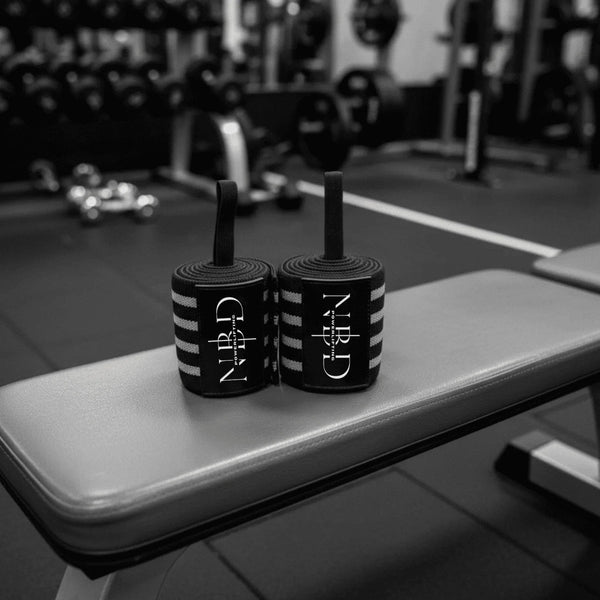 NBD Special 'Wrist Wraps'Wrist Wraps
View product
NBD Special 'Wrist Wraps'Wrist Wraps
View product
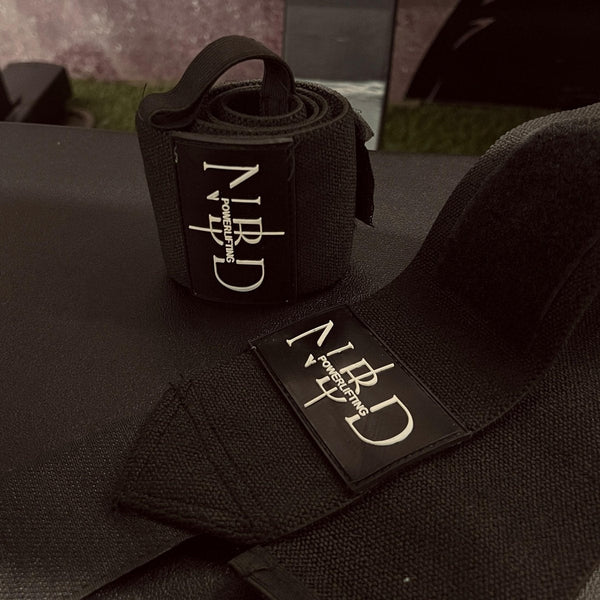 NBD Premium Wrist Wraps – Black Series | Superior Wrist Support for WorkoutsWrist Wraps
View product
NBD Premium Wrist Wraps – Black Series | Superior Wrist Support for WorkoutsWrist Wraps
View product
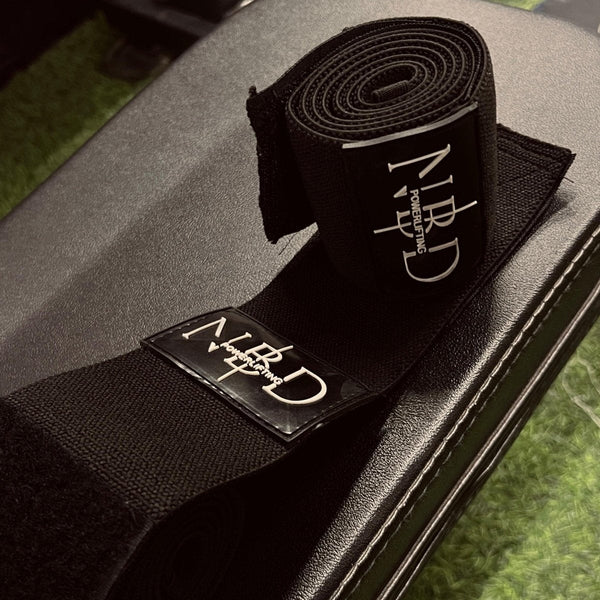 NBD Powerlifting Wrist Wraps – Competition Ready 1M Heavy-Duty Wrist SupportWrist Wraps
View product
NBD Powerlifting Wrist Wraps – Competition Ready 1M Heavy-Duty Wrist SupportWrist Wraps
View product
READY TO GEAR UP?
Shop India's most trusted powerlifting equipment — built for serious lifters.