

Stuck After a Year in the Gym? Why Progress Slows and What to Change
Hit a gym plateau after a year of training? Why progress slows after year one, how to tell a real plateau from a slow patch, and what to change first.
A gym plateau after a year of training is normal: the fast progress of the first months comes from learning the lifts and from a body that has never been trained before, and once that window narrows, the programme, food and effort that worked in year one stop being enough on their own. The fix is rarely a brand-new programme — it is checking, in order, whether you are genuinely stuck, whether your effort and volume have quietly drifted, whether your food and sleep can support more, and only then changing how the programme progresses.
This page is for lifters who trained consistently for roughly a year, saw steady progress, and now find the same weights week after week. It sets out how to tell a real plateau from a slow patch, the five checks a coach runs before changing anything, and what to change first depending on what those checks find.

Why progress slows after the first year
The first months of lifting are the easiest progress you will ever make. Much of it is skill: your nervous system learns to coordinate the squat, the bench and the deadlift, so the same muscles lift more simply because they are better organised. The rest is a body responding to a training signal it has never had. What actually changes in your first three months of training covers that early window in detail.
By the end of the first year, both of those advantages have been used up. The lifts are learned, and the body has adapted to the load you give it. Progress does not stop, but it slows, and it now needs more than turning up: more precise effort, enough hard sets, a progression model that matches how fast you actually improve, and recovery that can support it.
That is why the honest description of most "year-one plateaus" is not I have stopped progressing. It is the plan that worked when progress was easy has stopped working now that progress is harder.
Are you on a gym plateau after a year, or in a slow patch?
Before changing anything, look at your logbook rather than your memory. Progress after the first year often moves one rep at a time, and a lifter who only remembers the weight on the bar can mistake slow progress for none.
You are probably in a slow patch if:
- the weight is the same, but reps at that weight are creeping up across a month;
- some lifts are moving even though one or two are not;
- you missed sessions, slept badly or ate less in the last few weeks.
You are probably on a real plateau if:
- reps and load on your main lifts have not moved for four to six weeks, even though you did the sessions as planned;
- most of your lifts are flat, not only one;
- the same weights feel harder than they used to.
If you do not keep a log, start now and give it four weeks before you decide anything. Without one, every plateau looks the same and every fix is a guess.

The five checks, in order
Run these in order. Each one is cheaper to fix than the next, and the first two explain most year-one plateaus on their own.
Are you still training hard enough?
Effort drifts. In year one, almost any set was hard enough to make progress; by year two, sets that end with four or five reps left in the tank are often not. Take one working set of each main lift and ask honestly how many more reps you could have done with good form. If the answer is usually four or more, your effort has drifted below what your body now needs. Reps in reserve explains how to judge it and where most working sets should finish — for most lifters, one to three reps short of failure.
Are you doing enough hard sets — or too many?
Count the hard sets each muscle or lift actually gets in a week, not the exercises on the plan. A lifter who still runs the exact routine from month three may be doing the same number of hard sets their body has long since adapted to. The fix is small: add one or two hard sets a week to the lift or muscle that has stalled, hold that for a few weeks, and see whether it moves.
The opposite happens too. Lifters who respond to a plateau by adding exercise after exercise can end up with more work than they can recover from, and everything goes flat. If your sessions have grown longer and your lifts have not grown with them, cut back to fewer, harder sets.
Has your progression model stopped matching your progress?
Adding weight to the bar every session or every week works beautifully for beginners and stops working for almost everyone within the first year. If you are still trying to add load every week, you are asking for faster progress than your body can now deliver, and you will stall, deload, and stall again at the same number.
Switch to a model built for slower progress:
- Double progression — add reps at a fixed weight until every set reaches the top of a range, then add load. How to keep progressing when your gym's smallest plate is 2.5 kg sets out exactly how to run it.
- A heavy day and a lighter day for each main lift each week, so the lift gets practice without every session being a test.
- Planned easier weeks. A week of reduced volume every so often lets accumulated fatigue clear, so the next block starts fresh rather than tired.
Can your food and sleep support more progress?
Training is the signal; food and sleep are what the body builds with. Three questions settle most of this:
- Are you eating enough protein, every day, not only on training days? On an ordinary Indian vegetarian diet, most people eat less than they think.
- Has your bodyweight drifted down without you meaning it to? A lifter who has been unintentionally eating less — a new job, a hostel mess, a busy month — will stall on strength as surely as on muscle.
- Are you sleeping enough, regularly? Short or broken sleep shows up in the gym before it shows up anywhere else.
If any of these has slipped, fix it before touching the programme. A better plan cannot out-train a recovery deficit.
Are you changing the programme too often, or never?
Two opposite habits produce the same plateau. Programme-hoppers switch routines every couple of weeks, so no lift ever has a history long enough to progress or to read. Never-changers run the identical exercises, sets and reps for a year, and the body has nothing new to adapt to.
The middle path is simple: keep the main lifts, run a plan for a full block of eight to twelve weeks, and change the variations and rep ranges between blocks, not within them.

What to change first
Use what the checks found:
- Effort had drifted — keep the programme exactly as it is for four weeks and finish working sets closer to failure. This alone moves many plateaus.
- Sets were too few or too many — adjust the hard sets for the stalled lift by one or two a week, in the right direction, and hold it.
- The progression model was wrong — move the main lifts to double progression or a heavy-and-light week, and add a planned easier week every few weeks.
- Recovery had slipped — fix protein, sleep and total food first, and give it a few weeks before judging the training.
- The programme was stale or constantly changing — commit to one block, eight to twelve weeks, with variations chosen for the lifts that lag.
Change one thing at a time where you can. If you change everything at once and the plateau breaks, you will not know what worked, and the next plateau will be guesswork again.
When equipment helps, and when it does not
Equipment does not break a plateau; the checks above do. There is one honest exception. On a heavy squat or deadlift, some lifters stall because their brace gives way before their legs or back do. Once your top sets are heavy enough that bracing is what fails first, a lifting belt gives that brace something to push against on those sets. It supports a brace you have already learned; it does not replace learning one, and it changes nothing on a lift that has stalled for any of the other reasons on this page.
When it is not a training problem
If the plateau comes with pain that changes how you lift, persistent fatigue that does not lift with rest, or a sudden drop in strength across everything, that is a reason to step back and see a qualified professional, not to train harder. This page is training practice, not medical advice; please read the training terms and health disclaimer before acting on anything here.
Breaking a plateau in an ordinary Indian commercial gym
- Evening rush. If the rack and benches are crowded at your training hour, plan the main lift first and keep the session short and hard rather than long and interrupted.
- Fixed dumbbell jumps. Many dumbbell racks jump 2.5 kg between pairs, which is a large step on lighter exercises. Progress those by reps before weight.
- Same equipment, same numbers. Use the same bar, bench and rack where you can, so a number in your log means the same thing every week.
- A log you actually keep. Paper or phone: weight, reps per set and reps in reserve. It is the only way to tell a plateau from a slow patch.
When a coach is worth it
Most lifters can work through the five checks on their own. Where it goes wrong is judgement: whether a flat month is a plateau or noise, which of the five checks is really the limit, and how much to change without losing what was already working.
That judgement is what Train With NBD is for — science-based programming written for the gym you actually train in, with a real coach reading your log. The first step is the NBD Training Assessment: a written intake covering your goal, your training history, the days you can genuinely train and the equipment your gym has, read by a Level 4 coach on Team NBD, who comes back to you on WhatsApp within 24 hours with a recommended path and the reasoning behind it. It is a review, not a sales call.
FAQ
Is it normal to plateau after a year in the gym?
Yes. The fast progress of the first year comes from learning the lifts and from an untrained body responding quickly, and both slow down by the end of it. Progress continues after that, but it needs more precise effort, enough hard sets, a progression model built for slower gains and recovery that can support them. A year-one plateau usually means the plan needs updating, not that you have reached your limit.
How long does a gym plateau last?
There is no fixed length. A plateau caused by drifting effort or a progression model that is too fast often breaks within a few weeks of fixing the cause. One caused by poor sleep, too little food or constant programme changes lasts until that cause is fixed. If nothing has moved for four to six weeks despite consistent training, treat it as a real plateau and work through the checks.
Should I change my workout routine to break a plateau?
Not straight away. First check effort, the number of hard sets, your progression model and your recovery, because those cause most plateaus and changing the routine fixes none of them. If the routine has been identical for a year, change variations and rep ranges at the start of a new block, keep the main lifts, and run the new block for eight to twelve weeks before judging it.
Do I need to eat more to break a plateau?
Sometimes. If your bodyweight has drifted down without you meaning it to, or your protein intake is low, eating more is likely part of the fix. If your weight is stable and protein is adequate, food is probably not the limit, and effort, volume or the progression model deserve attention first. Check what you actually eat for a week before deciding.
Is a deload week a good way to break a plateau?
A planned easier week helps when accumulated fatigue is the problem, because it lets that fatigue clear so the next block starts fresh. It does not fix effort that is too low, too few hard sets or a progression model that asks for faster progress than you can make. Use easier weeks as part of a plan, not as the whole answer to a plateau.
How do I know if I am still making progress?
Look at your logbook, not your memory. After the first year, progress often shows up as an extra rep at the same weight, a set that felt easier, or a lift moving while others hold. If reps and load on your main lifts are rising across a month, you are progressing, even if the bar weight has not changed. If nothing has moved for several weeks, it is time for the checks.
If you want your log read and the five checks run against your training, your food and your gym rather than an average, that is what the NBD Training Assessment is for. NBD Powerlifting is an Indian manufacturer of competition-grade powerlifting equipment — lever belts, knee sleeves, wrist wraps and lifting straps — serving 15,500+ lifters across India, and its coaching side works with lifters on fat loss, muscle and strength.
Built and shipped from India, for lifters who never back down.
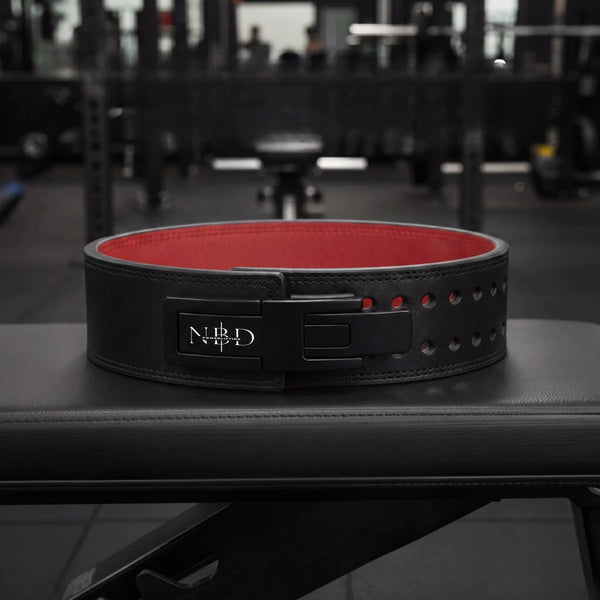 NBD 10mm Dual Pro Lever Belt – Elite Powerlifting Belt | Premium LeatherPowerlifting Belt
View product
NBD 10mm Dual Pro Lever Belt – Elite Powerlifting Belt | Premium LeatherPowerlifting Belt
View product
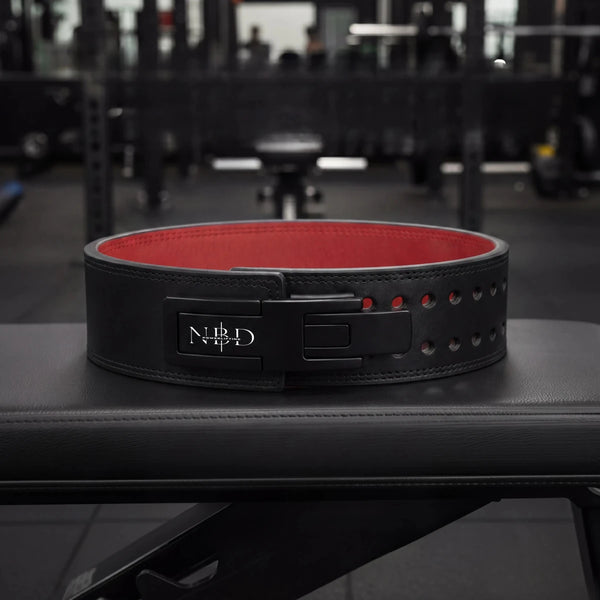 NBD 13mm Dual Pro Lever Belt – Elite Powerlifting Belt | Premium LeatherPowerlifting Belt
View product
NBD 13mm Dual Pro Lever Belt – Elite Powerlifting Belt | Premium LeatherPowerlifting Belt
View product
 NBD 10mm Lever Belt – Premium Leather | Choose from all Classic, Dual Pro, Gold Lever VariantsPowerlifting Belt
View product
NBD 13mm Lever Belt – Premium Leather | Choose from all Classic, Dual Pro, Gold Lever VariantsPowerlifting Belt
View product
NBD 10mm Lever Belt – Premium Leather | Choose from all Classic, Dual Pro, Gold Lever VariantsPowerlifting Belt
View product
NBD 13mm Lever Belt – Premium Leather | Choose from all Classic, Dual Pro, Gold Lever VariantsPowerlifting Belt
View product
READY TO GEAR UP?
Shop India's most trusted powerlifting equipment — built for serious lifters.