

Gym Belt vs Powerlifting Belt — Is There Actually a Difference?
A gym belt and a powerlifting belt are the same tool. Where thickness, width and buckle actually matter, and how to pick. Free pan-India shipping.
A gym belt and a powerlifting belt are the same tool. The difference is the word, not the product — both are a stiff leather band worn around the waist to give your abs something to brace against, and the belt a competitive powerlifter wears on a max squat is the same belt you would wear for heavy sets in a commercial gym.
Where the two genuinely diverge is in four specifications: thickness, width, buckle, and whether you will ever step on a platform. This guide covers each one, and what it means for someone training hard in a normal gym in India.
Why the two names exist at all
Belt makers write for competitors because competitors are the demanding customer. Lifters who train hard but never compete — which is most people reading this — search for a "gym belt" or a "weight lifting belt" and find pages written in a vocabulary they do not use.
There is no separate category. A gym lever belt and a powerlifting lever belt are the same object, made the same way. If a shop tells you their gym belt is a lighter, easier alternative, what they usually mean is that it is thinner or made of something other than leather.
(You will also see it spelled "liver belt" — a common phonetic misspelling of lever belt. Same product.)
Where the difference is real
Thickness: 8mm, 10mm or 13mm
Thickness is the specification that actually changes how the belt feels, and it is where most buying mistakes happen.
- 8mm — the most forgiving. Comfortable from day one, enough support for general training and moderate loads. A reasonable first belt if you are not chasing maximum squats yet.
- 10mm — the honest default. Stiff enough to brace hard against, broken in within a few weeks, and comfortable enough to wear for volume work and deadlifts. For the overwhelming majority of gym lifters, this is the right belt.
- 13mm — the stiffest wall available. It earns its place if you are chasing max-effort singles. It is also genuinely uncomfortable for the first few weeks and takes longer to break in.
Thickness is not the same as quality. A well-made 10mm belt beats a poorly made 13mm every time. What actually matters is the leather grain, the stitching and the hardware.
If you want the long version, we compared them properly in 10mm vs 13mm powerlifting belt.
Width: why 4 inches, and why uniform
Most serious belts are 4 inches wide and the same width the whole way round, front and back. That is what the major federation rulebooks specify as the maximum, and it is why the shape has become standard even outside competition.
Uniform width matters for a practical reason that has nothing to do with rules: a belt that tapers at the front gives you less to brace against exactly where you need it most. Tapered belts are built for comfort while walking around, not for bracing under load.
To be clear about what we are and are not claiming: NBD belts are built to competition specification — 4-inch uniform width, pure grain leather. We do not claim approval from any federation. If you intend to compete, check your federation's current equipment list yourself before meet day.
Buckle: lever or prong
- Lever — flips open and shut in one movement. Fast between sets, and it locks to exactly the same tightness every time. The trade-off is that changing the setting means unscrewing and repositioning the lever, so it suits a stable waist size.
- Prong — slower to fasten, but adjusts hole by hole with no tools. Better if your waist moves through the year, or if the belt gets shared.
For most gym training the lever wins on convenience alone. We broke the whole comparison down in single prong vs double prong vs lever.
Whether you compete
This is the only place the distinction genuinely bites. Federations publish equipment lists with limits on width, thickness and construction, and those lists change. If competing is a real possibility, buy inside those limits now rather than replacing a belt later. If it is not, you are free to choose purely on what feels best under the bar.
What does not change
Everything else. The leather, the construction, the stitching, and above all the mechanics of how it works.
A belt does not hold your back up. It gives your abdominal wall something firm to push against, so the brace you create is stronger and more stable. You take a breath into your stomach, push out into the belt, and lift. That is identical whether you are on a competition platform or in the corner of a commercial gym.
Sizing does not change either — and neither does what happens when you get it wrong.
How to choose if you train in a commercial gym
The practical answer for most people:
- Buy a 10mm lever belt. It is comfortable enough for volume work, stiff enough for heavy singles, and breaks in faster than 13mm.
- Go 13mm only if you are chasing maximum squats and accept a few uncomfortable weeks.
- Go 8mm if you are early in training and want something forgiving while you learn to brace.
You can see the full range at THE NBD BELTS, or work through it step by step on Choose Your Belt.
Sizing, and the mistake most people make
Measure around your waist at your navel with a tape measure. Do not use your trouser size — it is almost always smaller, and it is the single most common reason a belt arrives and does not fit.
Take the measurement standing relaxed, not braced and not sucked in. If you fall between two sizes, size up: a lever belt is adjusted at the lever, so a slightly large belt can be brought in, but a belt that is too small cannot be let out.
NBD belts run nine sizes, XS to 5XL. 2XL and above are made to order, which adds two to three business days. The full method is on the Size Guide.
Break-in is real, and it is meant to be
A genuine leather belt is stiff out of the box. Expect roughly two to four weeks of regular training before it moulds to you, and longer for 13mm than 10mm. Rolling it against its curve and wearing it during warm-up sets speeds this up. Keep it dry, out of direct sun, and wipe it down if it gets sweaty.
If a belt is soft and comfortable on day one, it is not going to give you much to brace against on day one hundred.
FAQ
Is a gym belt the same as a powerlifting belt?
Yes. They are the same product under two names. A powerlifting belt is a stiff leather band worn to brace against, and that is exactly what a gym belt is. The only meaningful differences between belts are thickness, width, buckle type and build quality — not which word the shop uses.
Can I use a powerlifting belt for normal gym training?
Yes, and most people should. There is no downside to training in a belt built to competition specification. It is stiffer than a soft neoprene support, which is the point — it gives your brace something firm to work against on heavy squats, deadlifts and overhead work.
What thickness of gym belt should a beginner buy?
A 10mm belt suits most people, including most beginners. It is stiff enough to teach you what a proper brace feels like, and comfortable enough to wear for full sessions. Choose 8mm if you want something more forgiving while you learn; 13mm only once you are chasing maximum singles.
Is a 13mm belt overkill for the gym?
For most gym lifters, yes. A 13mm belt is stiffer, takes longer to break in, and is genuinely uncomfortable at first. It earns its place on max-effort work. If you train hard but are not chasing a one-rep maximum, a 10mm belt gives you nearly all the benefit with far less break-in.
Lever or prong for general gym training?
A lever, for most people. It fastens and releases in one movement, which matters when you are belting up and down between sets, and it returns to the same tightness every time. Choose a prong if your waist size changes through the year or the belt will be shared.
What size gym belt do I need?
Measure around your waist at your navel with a tape measure, standing relaxed. Never use your trouser size — it runs smaller and is the most common sizing mistake. If you are between two sizes, size up, because a lever belt can be brought in but never let out.
Do I need a belt if I never compete?
No lifter needs a belt. But once you are handling loads that challenge your bracing, a belt lets you brace harder and stay more stable, which usually means better positions and more confident heavy sets. It is a training tool, not a requirement.
Buying in India: every NBD belt ships free across India on prepaid orders above ₹1,000, with cash on delivery available at extra charge. The details are on Shipping, COD & Warranty. NBD Powerlifting has been making competition-grade lifting equipment in Sirsa, Haryana since 2014, and serves 15,500+ lifters across India.

NBD Powerlifting is an Indian manufacturer of competition-grade powerlifting equipment — lever belts, knee sleeves, wrist wraps and lifting straps — serving 15,500+ lifters across India. Written by Karman Singh, who founded NBD in Sirsa, Haryana in 2014.
The gear this guide is written about. Built and shipped from India.
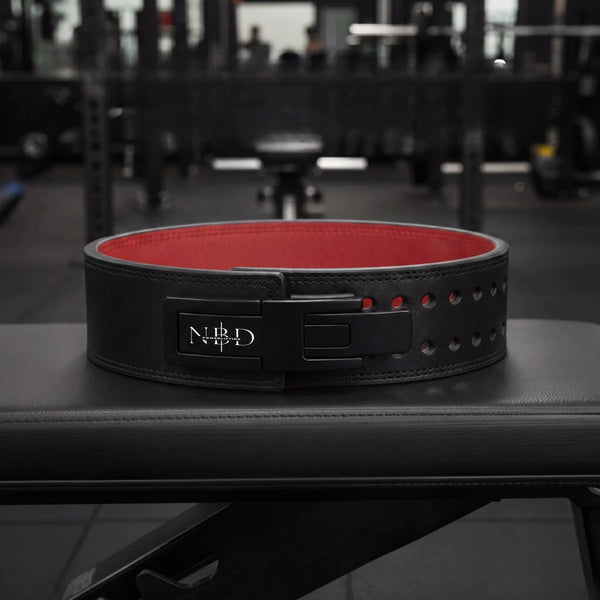 NBD 10mm Dual Pro Lever Belt – Elite Powerlifting Belt | Premium LeatherPowerlifting Belt
View product
NBD 10mm Dual Pro Lever Belt – Elite Powerlifting Belt | Premium LeatherPowerlifting Belt
View product
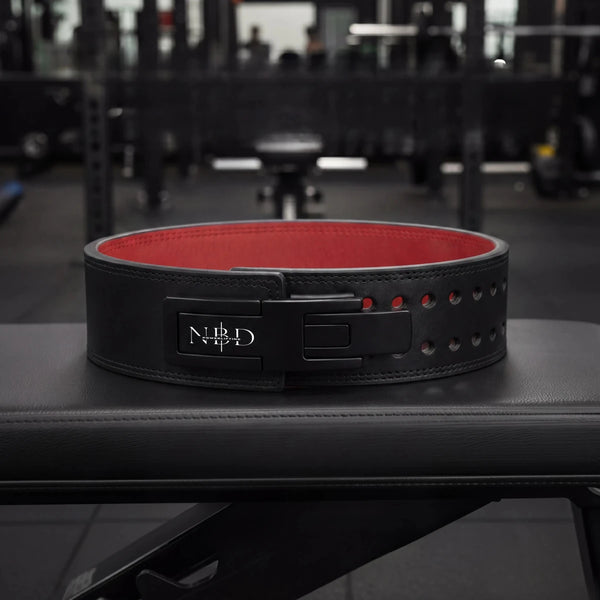 NBD 13mm Dual Pro Lever Belt – Elite Powerlifting Belt | Premium LeatherPowerlifting Belt
View product
NBD 13mm Dual Pro Lever Belt – Elite Powerlifting Belt | Premium LeatherPowerlifting Belt
View product
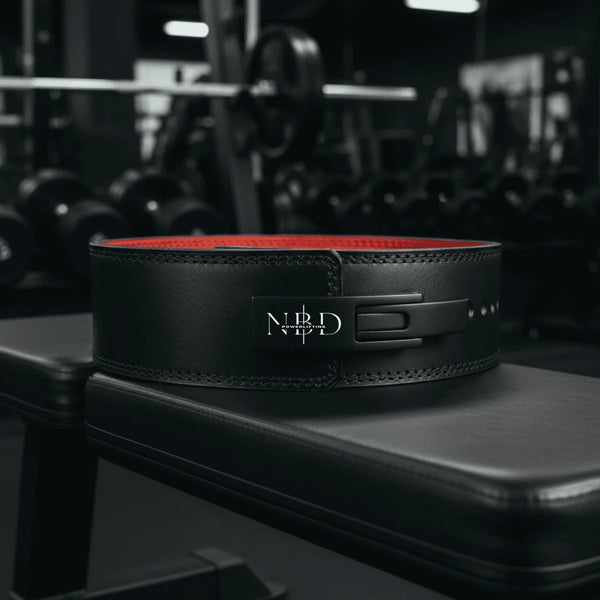 NBD 10mm Lever Belt – Premium Leather | Choose from all Classic, Dual Pro, Gold Lever VariantsPowerlifting Belt
View product
NBD 13mm Lever Belt – Premium Leather | Choose from all Classic, Dual Pro, Gold Lever VariantsPowerlifting Belt
View product
NBD 10mm Lever Belt – Premium Leather | Choose from all Classic, Dual Pro, Gold Lever VariantsPowerlifting Belt
View product
NBD 13mm Lever Belt – Premium Leather | Choose from all Classic, Dual Pro, Gold Lever VariantsPowerlifting Belt
View product
READY TO GEAR UP?
Shop India's most trusted powerlifting equipment — built for serious lifters.