

What to Eat on Powerlifting Meet Day: An Indian Lifter's Plan
What to eat on powerlifting meet day: the night before, after a two-hour or day-before weigh-in, and between attempts — with Indian foods that travel.
What to eat on powerlifting meet day is simpler than it looks: eat the same kind of food you already train on — a familiar, carbohydrate-led meal a few hours before your session, something small and easy to digest straight after weigh-in, and light snacks with regular sips of fluid between lifts. Nothing new, nothing heavy or oily, and nothing you have not tested in training first.
The details depend on one thing above all — when you weigh in. This page covers the night before, the morning, a weigh-in two hours before lifting, a weigh-in the day before, what to eat between attempts, and a list of Indian foods that survive a long day in a kit bag.
What to eat on powerlifting meet day: the short version
A powerlifting meet is long and mostly waiting. A full session can run for hours, and your nine attempts take a few seconds each. Meet-day food has two jobs: keep your energy steady across that whole day, and stay out of the way of your stomach while you brace under a heavy bar.
That gives you four simple rules:
- Familiar beats optimal. Eat what you have eaten before heavy training sessions. Meet day is the worst possible day to discover that a new food disagrees with you.
- Carbohydrate first, close to lifting. Rice, bananas, poha, idli, bread and dates are easy fuel. Protein and a little fat are fine in a main meal; keep them modest in the hour before you lift.
- Light and often. Small amounts across the day work better than one big meal that leaves you heavy before a squat.
- Sip, do not chug. Regular small sips of water keep you comfortable. A stomach full of water is no better than a stomach full of food when you brace.
The night before and the morning of the meet
The night before, eat a normal dinner you know sits well — dal, rice, a dry sabzi, roti, curd. This is not the night for a wedding buffet, a new restaurant or a large, very spicy, very oily meal. If you travelled to the meet city, choose a plain, simple place to eat rather than an adventurous one.
On the morning of the meet, what you eat depends on your weigh-in time:
- If weigh-in is two hours before your session and you are comfortably inside your weight class, eat a light, familiar breakfast a few hours before you step on the scale — poha, upma, idli, toast with a banana, or curd rice. You do not need to arrive at weigh-in empty.
- If you are close to your weight-class limit, eat and drink lightly until you have weighed in, then eat properly straight after. Check your weight on a reliable scale the evening before and on the morning, so the official scale holds no surprise.
Either way, pack your meet-day food the night before. Venues in India range from a well-run hall with a canteen to a school auditorium with nothing nearby, and the food stall — if there is one — may sell only fried snacks.
If your weigh-in is two hours before you lift
Under the international technical rules, weigh-in can start no earlier than two hours before the competition starts, and the weigh-in period lasts one and a half hours (2026 IPF Technical Rulebook, section 5). A lifter outside their weight class can get back on the scale within that hour and a half. In practice, that means you could be lifting anywhere from about thirty minutes to two hours after you weigh in.
So the window after weigh-in is short, and you want food that is quick to eat and quick to settle:
- Straight after weigh-in: water or a drink you are used to, plus something small and easy — a banana, a few dates, a couple of idlis, a small bowl of poha, glucose biscuits.
- If you have more than an hour before your first squat: a slightly bigger snack — curd rice, a plain sandwich, or a second banana with a handful of chikki.
- In the last half hour before you squat: only small bites and sips. Your warm-ups have started, and you need to be able to brace hard without anything sitting heavy.

A review of weigh-in practice in powerlifting, published in 2025, describes refuelling after weigh-in as starting straight away, with small amounts of protein and fat included according to the lifter's preference (Renner et al., 2025). For a lifter who has not cut weight, that is most of the plan: eat early, keep it easy, and keep sipping.
If your weigh-in is the day before
Some meets weigh lifters in the evening before or a full day ahead. Your meet notice will say which format yours uses. A day-before weigh-in gives you far more room:
- Eat a full, normal dinner after you weigh in — rice, dal, roti, paneer, eggs or chicken, whatever you usually eat.
- Have a normal breakfast on meet day, a few hours before your session.
- From there, follow the same between-lift habits as everyone else: small, familiar snacks and regular sips.
A long gap is not an invitation to eat everything in sight. A very large late-night meal can leave you sluggish and bloated the next morning, which is exactly what you do not want under a heavy bar.
What to eat between attempts and between lifts
A full session runs in three blocks: all the squats, then all the bench presses, then all the deadlifts. Between them you may wait for a long time while other flights lift.
The same review notes that during a long competition, fluid and carbohydrate intake can simply follow comfort — eat and drink as tolerated (Renner et al., 2025). In practice:
- Between squats and bench: this is often the longest gap. A banana, a few dates, a small portion of curd rice or a couple of idlis.
- Between bench and deadlift: something lighter. The deadlift asks the most of your brace, so keep the last snack small — a few dates, a piece of chikki, a glucose biscuit or two.
- Between attempts on the same lift: sips of water and, if you like, a bite of something sweet. Not a meal.

Keep a simple bottle with you at all times. If the hall is hot and humid, a drink with a little salt and sugar — homemade nimbu pani, coconut water, or a sports drink you have used in training — is a familiar option many lifters prefer to plain water.
Indian foods that travel well to a meet
Most meet-day advice online assumes bagels, sports gels and packaged snack bars. Indian lifters have better options already in the kitchen. Choose food that survives several hours in a bag without a fridge and does not make a mess:
| Food | Why it works on meet day | Pack it as |
|---|---|---|
| Bananas | Quick carbohydrate, easy on the stomach, needs no preparation | Two or three, kept on top so they do not bruise |
| Dates | Small, sweet, easy to eat between attempts | A small box |
| Poha or upma | Light, filling, familiar breakfast food | A sealed tiffin, eaten in the first hours |
| Idli | Soft, plain and easy to digest | A tiffin, chutney separate or skipped |
| Curd rice | Settles well for most people; eat it within a few hours | An insulated tiffin, eaten early |
| Chikki | Dense and easy to carry; a small piece at a time | A few pieces, wrapped |
| Glucose biscuits | Plain, light and widely available | One packet |
| Nimbu pani or coconut water | Fluid with a little salt and sugar | A bottle made at home, or bought near the venue |

Whatever you pack, pack more than you think you need. Sessions run late, flights get merged and a meet that was meant to finish by afternoon can run into the evening.
What to leave at home
- Anything new. A new pre-workout, a new energy drink or a snack you have never eaten before training.
- Heavy, oily food close to lifting. Samosas, pakoras, puri-bhaji and rich curries can sit in the stomach for a long time.
- Very high-fibre or very spicy food on the morning of the meet, if it does not usually agree with you in training.
- Large amounts of anything in the hour before you lift, including water.
Practise meet day before meet day
The best way to know what works is to rehearse it. In the weeks before your meet, run one or two training sessions as a mock meet:
- Eat the breakfast you plan to eat on the day, at the same time before training.
- Work up to your planned openers with the same snacks between lifts.
- Notice what sat well and what did not, and write it in your training log.
When meet day comes, you are following a plan you have already tested, not guessing. If you are new to competing, how to start powerlifting in India walks through the path to a first meet, and why lifts get red lights covers the standards your attempts are judged against. Vegetarian lifters planning their everyday protein can use hitting your protein target as a vegetarian.
A note on cutting weight for a meet
Cutting weight — losing body mass quickly in the days before a weigh-in to fit a lower weight class — is a separate practice with its own risks, and it changes every part of meet-day food. The review cited above deals with it in detail. For a first meet, the simplest advice is not to cut at all: compete in the class you are already in, eat normally, and let the platform tell you where you stand. Treat this page as a plan for lifters who are weighing in at their normal bodyweight.
Where a coach helps
A meet-day food plan is simple. Where lifters go wrong is the weeks around it — choosing a sensible weight class, planning openers you can make on a bad day, and peaking without arriving tired. That judgement is what Train With NBD is for: start with the NBD Training Assessment, a written intake about your goal, your training and your meet date, read by a coach on Team NBD. Before acting on anything here, please read the training terms and health disclaimer. If you have a medical condition that affects how you eat, follow your doctor's advice over anything on this page.
FAQ
What should I eat on a powerlifting meet day?
Eat familiar, easy-to-digest food built around carbohydrate: a normal breakfast a few hours before weigh-in or your session, something small like a banana, dates or idli straight after weigh-in, and light snacks with regular sips of fluid between lifts. Avoid anything new, heavy or oily, and test the whole plan in a training session first.
What should I eat 30 minutes before a lift?
Very little. In the last half hour before a heavy attempt, keep to a few bites of something sweet and easy — a date, a piece of banana, a glucose biscuit — and small sips of water. Your warm-ups are under way and you need to brace hard, so a full stomach works against you. Eat your proper snack earlier.
What should I eat the night before a powerlifting meet?
A normal, familiar dinner that you know sits well, such as dal, rice, roti, a dry sabzi and curd. Avoid large, very spicy or very oily meals and anything you have not eaten before. If you have travelled for the meet, choose somewhere plain to eat, and pack your meet-day food the same night so the morning is calm.
How much water should I drink during a powerlifting meet?
Drink in small, regular sips through the day rather than large amounts at once, and let thirst and comfort guide you. Hot, humid venues call for more. A drink with a little salt and sugar, such as homemade nimbu pani or coconut water, is a familiar choice. Avoid drinking a lot in the last half hour before you lift.
Can I drink coffee or tea on a powerlifting meet day?
If you normally have tea or coffee before training, having your usual amount on meet day is fine for most lifters. Do not use the meet to try more caffeine than usual, a new pre-workout or an energy drink you have never had. The rule for every meet-day food and drink is the same: only what you have already tested in training.
If you want your meet-day plan built around your own weight class, openers and training, that is what the NBD Training Assessment is for. Gear for the platform — chalk, wrist wraps and lifting straps — sits in NBD's lifting essentials collection. NBD Powerlifting is an Indian manufacturer of competition-grade powerlifting equipment — lever belts, knee sleeves, wrist wraps and lifting straps — serving 15,500+ lifters across India, and its coaching side works with lifters on fat loss, muscle and strength.
Built and shipped from India, for lifters who never back down.
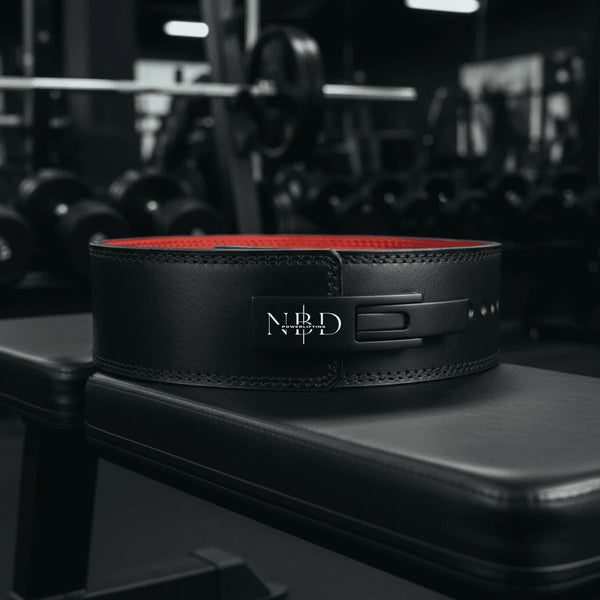 NBD 10mm Lever Belt – Premium Leather | Choose from all Classic, Dual Pro, Gold Lever VariantsPowerlifting Belt
View product
 NBD Knee Sleeves 7mmKnee Sleeves
View product
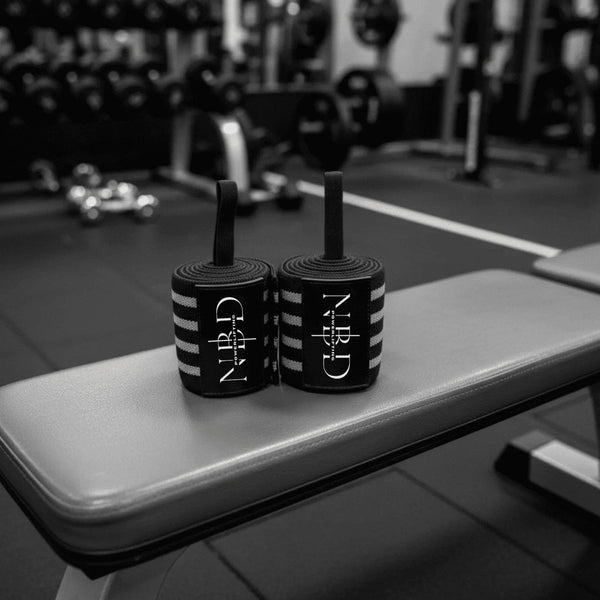 NBD Special 'Wrist Wraps'Wrist Wraps
View product
 NBD Liquid ChalkLiquid Chalk
View product
READY TO GEAR UP?
Shop India's most trusted powerlifting equipment — built for serious lifters.