

Squat Depth in Powerlifting: What Counts, and How to Check Yours
Squat depth in powerlifting: the hip crease must go below the top of the knee. What counts, why gym squats are high, and how to check yours on video.
Squat depth in powerlifting means the top surface of your legs at the hip joint — the hip crease — goes lower than the top of your knees at the bottom of the squat; a squat that stops level with the knee, or above it, is a no lift. You check it by filming one heavy set from the side with the camera at hip height and pausing on the lowest frame, because a squat that feels deep from inside the lift very often is not.
This page explains exactly what the depth rule asks for, why most gym squats miss it, how to check your own depth honestly, and how to train the squat so it hits depth every time — on the heaviest set, not only the warm-ups.

What squat depth in powerlifting actually means
The rulebook standard is short: at the bottom of the squat, the top surface of the legs at the hip joint must be lower than the top of the knees. In practice, referees watch two points from the side — the crease where your hip folds and the top of your knee — and the crease has to drop below the knee.
Three details matter more than they look:
- "Lower than" means lower. A hip crease that finishes exactly level with the top of the knee has not gone below it. Parallel is not depth.
- It is the top surface of the leg, not the bottom of your shorts or your glutes. Baggy shorts or a big posterior can make a squat look deeper than it is.
- You get one descent. The attempt starts the moment your knees unlock; you cannot sink, rise and sink again to find depth.
Why lifts get red lights covers the full squat rules, the commands and every other reason for a no lift. This page is about depth alone.

Why most gym squats are high
Gym squats miss depth for reasons that have little to do with strength:
- Nobody checks. In a commercial gym the only judge is the lifter, who is looking forward, not at their own hip crease.
- Depth drifts as the weight goes up. Warm-ups go deep; the heaviest set stops a few centimetres higher, because that is where the lift feels hardest.
- Fatigue shortens the range. The last reps of a set rise as the legs tire, and the set still gets logged as full.
- Ego and comparison. A high squat carries more weight, and more weight is what the people around you see.
None of this is a moral failing. But a squat trained high is a different, easier lift, and it will feel very different the first time someone holds you to the standard.
How to check your squat depth
You cannot judge depth from inside the squat. Use one of these instead, in this order of reliability.
- Film from the side, camera at hip height. Set the phone level with your hips, a few metres away, square to your side. Film a working set — not a warm-up — and pause on the lowest frame of the slowest rep. Find the hip crease and the top of the knee. If the crease is not clearly lower, the rep was high.
- Ask someone who knows the standard. A training partner or coach watching from the side, at the same height, is the next best judge. Watching from behind or from above does not work.
- Check every rep, not just the first. Depth on rep one tells you little about rep five. Scrub through the whole set.
- Check under load. Depth at sixty per cent of your best is not evidence of depth at ninety. Film the heavy sets too.
Shorts that bunch at the hip and dark clothing on a dark background make the crease hard to see on video. Fitted shorts and good light make the check honest.

How to train a squat that hits depth every time
Lower the weight until every rep is deep. This is the uncomfortable part. If your heaviest sets are high, the squat you can actually do to depth is lighter than your logbook says. Drop to the weight where every rep of every set is clearly below parallel on video, and build back from there.
Use paused squats. A two- to three-second pause at the bottom teaches you where depth is and makes you strong in that position. Pause at depth, not just above it.
Use a depth target, but do not sit on it. A box, bench or band set at the right height gives you something to touch so you learn the depth by feel. Touch it lightly and come straight back up; sitting down and relaxing on it changes the lift.
Train the bottom position. Tempo squats with a slow three-second descent, and front squats, both build strength exactly where most lifters fail. Why your squat is weak compared to your bench and deadlift covers training each sticking point in detail.
Rehearse the commands. In a meet you wait for the "Squat" signal before you descend and the "Rack" signal after you stand. Practising both with a partner means depth is not the only thing on your mind on the platform.
When depth is limited by mobility or build
Some lifters genuinely struggle to reach depth with a good back position. The usual culprits are tight ankles, which stop the knees travelling forward, and a stance that does not suit the hips. Before assuming you cannot squat deep:
- Try a slightly wider stance with the toes turned out a little more, which gives the hips room to drop between the thighs.
- Raise the heels. A squat shoe with a raised heel, or small plates under the heels for practice sets, lets the knees move forward so the hips can go down without the chest dropping.
- Check your build. Long thighs relative to the torso make depth harder and force more forward lean. That changes how you squat — stance, heel height, bar position — not whether you can reach depth.
If a hip or knee pinches or hurts at the bottom rather than just feeling tight, stop chasing depth on that lift and have it assessed by a qualified professional. This page is training practice, not medical advice; please read the training terms and health disclaimer before acting on anything here.
Depth on meet day
Meet-day depth is the depth you trained. Lifters who squat high in training often cut their first attempt deep enough on nerves alone and then run out of strength on the second, because a deep squat at that weight is new to them. Two habits prevent it:
- Film your heavy singles in the final weeks and judge them by the competition standard.
- Choose an opener you can squat to depth on your worst day, not the weight you managed high in the gym.
A lifting belt does not change depth either way; it gives a brace you have already learned something to push against at the bottom of a heavy squat.
Squatting to depth in an ordinary Indian commercial gym
- Mirrors lie about depth. A front-facing mirror shows your knees and face, not your hip crease. Use a side-on phone video instead.
- Ask a gym partner to film. It costs them a minute and saves you finding out on a platform.
- Racks are queued at peak hours. Film your top set on the days you get the rack, and keep the paused and tempo work for those sessions.
When a coach is worth it
Most lifters can check and fix their depth with a phone and the steps above. Where it goes wrong is judgement: whether a rep that looks borderline would pass, whether your stance and heel height suit your build, and how far to drop the weight without losing the rest of your progress.
That judgement is what Train With NBD is for — science-based programming written for the gym you actually train in, with a real coach reading your log and your lift videos. The first step is the NBD Training Assessment: a written intake covering your goal, your training history, the days you can genuinely train and the equipment your gym has, read by a Level 4 coach on Team NBD, who comes back to you on WhatsApp within 24 hours with a recommended path and the reasoning behind it. It is a review, not a sales call.
FAQ
What is the depth requirement for a squat in powerlifting?
At the bottom of the squat, the top surface of your legs at the hip joint must be lower than the top of your knees. Referees judge it from the side by comparing your hip crease with the top of your knee. If the crease finishes level with or above the knee, the squat does not count, however much weight is on the bar.
Is parallel deep enough for a powerlifting squat?
No. The standard asks for the hip crease to be lower than the top of the knee, so a squat that stops exactly level has not reached depth. In practice lifters aim a little below parallel on every rep, so that a slightly shallow rep under a heavy weight on a nervous day still clears the standard.
How do I know if my squat is deep enough?
Film a working set from the side with the camera at hip height, then pause on the lowest frame of each rep. Find the hip crease and the top of the knee. If the crease is clearly lower, the rep was deep enough. Mirrors and feel are unreliable, because a squat that feels deep from inside the lift often is not.
Why can't I squat to depth?
Usually because the weight is too heavy to squat deep yet, because nobody has checked your depth, or because tight ankles and a stance that does not suit your hips stop you getting down with a good back position. Lower the weight, film your sets, try a slightly wider stance and raised heels, and use paused squats to get strong at the bottom.
Does squat depth matter outside powerlifting?
It matters less as a rule and more as a habit. Outside competition nobody will red-light you, but squatting through a fuller range trains the legs through a fuller range, and a consistent depth is what makes the numbers in your logbook comparable from week to week. Pick a depth you can hit every rep and keep it honest.
Should I use a box to learn squat depth?
A box or bench at the right height is a useful teaching tool if you only touch it lightly and come straight back up. It gives you a physical cue for where depth is. Sitting down and relaxing on the box turns it into a different exercise, so keep the touch brief and check on video that the box height actually puts you below parallel.
If you want your squat videos read against the competition standard and your training adjusted for your build, that is what the NBD Training Assessment is for. NBD Powerlifting is an Indian manufacturer of competition-grade powerlifting equipment — lever belts, knee sleeves, wrist wraps and lifting straps — serving 15,500+ lifters across India, and its coaching side works with lifters on fat loss, muscle and strength.
Built and shipped from India, for lifters who never back down.
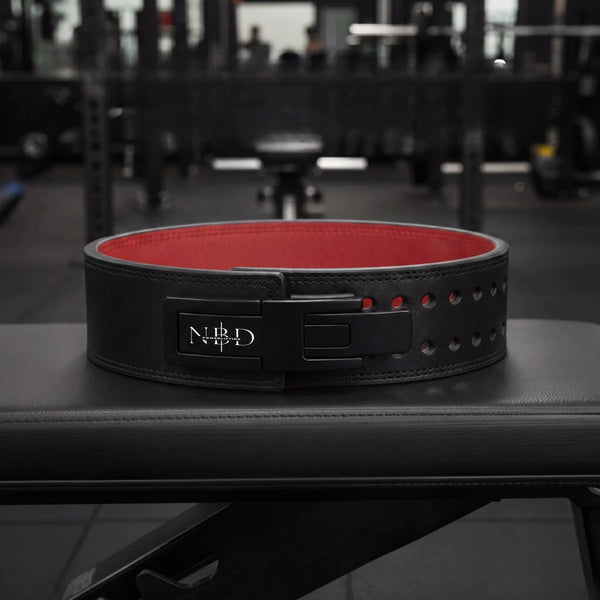 NBD 10mm Dual Pro Lever Belt – Elite Powerlifting Belt | Premium LeatherPowerlifting Belt
View product
NBD 10mm Dual Pro Lever Belt – Elite Powerlifting Belt | Premium LeatherPowerlifting Belt
View product
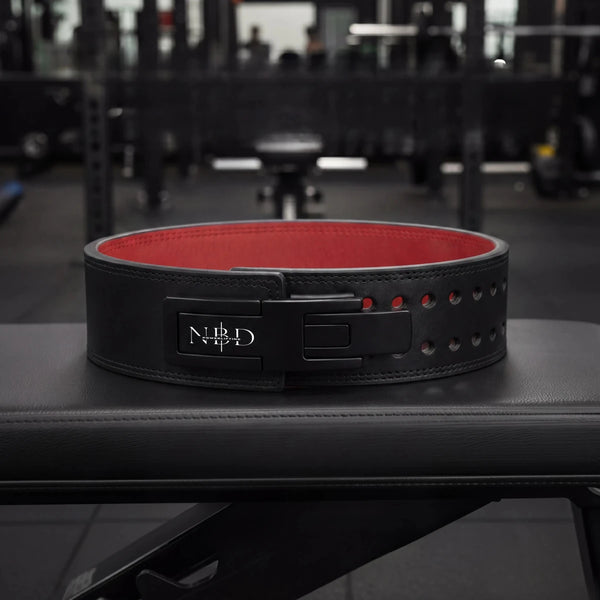 NBD 13mm Dual Pro Lever Belt – Elite Powerlifting Belt | Premium LeatherPowerlifting Belt
View product
NBD 13mm Dual Pro Lever Belt – Elite Powerlifting Belt | Premium LeatherPowerlifting Belt
View product
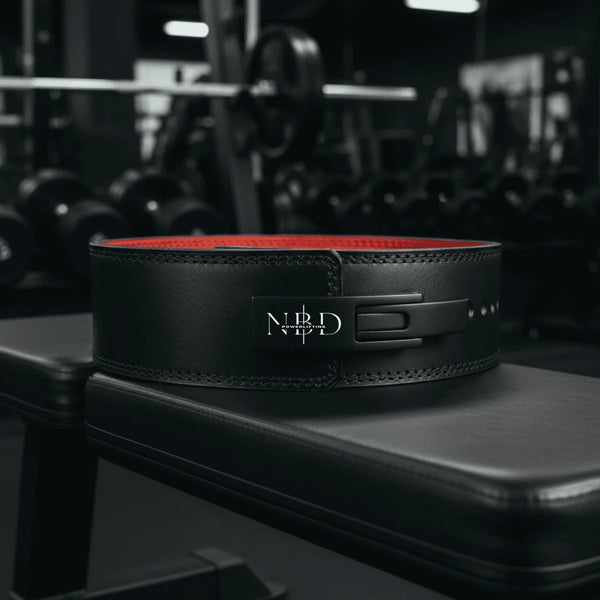 NBD 10mm Lever Belt – Premium Leather | Choose from all Classic, Dual Pro, Gold Lever VariantsPowerlifting Belt
View product
NBD 13mm Lever Belt – Premium Leather | Choose from all Classic, Dual Pro, Gold Lever VariantsPowerlifting Belt
View product
NBD 10mm Lever Belt – Premium Leather | Choose from all Classic, Dual Pro, Gold Lever VariantsPowerlifting Belt
View product
NBD 13mm Lever Belt – Premium Leather | Choose from all Classic, Dual Pro, Gold Lever VariantsPowerlifting Belt
View product
READY TO GEAR UP?
Shop India's most trusted powerlifting equipment — built for serious lifters.