

How to Start Powerlifting in India: A Beginner's Roadmap
How to start powerlifting in India: the gym you need, the three lifts to standard, a simple first programme, the gear that matters and your first meet.
To start powerlifting in India, learn the three competition lifts — squat, bench press and deadlift — in any gym with a rack, a bench and a barbell, then run a simple beginner programme three days a week and log every session. When your lifts are consistent and meet the competition standard, contact your state powerlifting association and enter a local meet: you do not need to be strong to compete, only to know the rules and lift to them.
This page is the roadmap: what powerlifting actually is, the gym you need, how to learn the lifts properly, a first programme, the gear that matters and what can wait, and how a first competition works in India.
What powerlifting actually is
Powerlifting is a strength sport with three lifts: the squat, the bench press and the deadlift. At a meet you get three attempts at each lift. Your best successful squat, bench and deadlift are added together into a total, and lifters are ranked by total within their bodyweight and age category.
Every attempt is judged by referees against a written standard. A squat has to reach depth, a bench has to be paused on the chest, a deadlift has to finish locked out — and each lift starts and ends on a referee's command. A heavy lift that misses the standard counts for nothing. Why lifts get red lights explains the rules lift by lift.
Most beginners compete raw, also called classic: a belt, knee sleeves and wrist wraps are allowed, but not the supportive suits and shirts of equipped lifting. Start raw. It is how almost everyone learns the sport.
Step one: find a gym where you can train the three lifts
You need four things: a squat rack or power rack, a flat bench you can unrack a barbell from, an Olympic barbell with plates, and a patch of floor where you can deadlift without being asked to stop.
Plenty of Indian commercial gyms have all four. Plenty have a Smith machine and a leg press but no rack, or a bench with no uprights. Before you sign up, walk the floor and check. If the gym you already pay for has no rack, you can still build your legs while you look for one — training legs when your gym has no squat rack shows how — but for powerlifting you will need to squat a barbell regularly.
Two smaller checks save trouble later: ask whether chalk is allowed, and whether anyone minds you deadlifting heavy from the floor.
Step two: learn the lifts to the competition standard
A gym squat, a gym bench and a gym deadlift are usually looser than the competition versions. Learn the competition versions from day one, at light weights, so there is nothing to relearn later.
- Squat: the crease of your hip goes below the top of your knee at the bottom. Film it from the side at hip height; it is almost never as deep as it feels. Squat depth in powerlifting covers how to check it.
- Bench press: lower the bar to your chest and hold it still for a moment before you press. Your head, shoulders and hips stay on the bench and your feet stay on the floor.
- Deadlift: pull until you are standing tall with your knees and hips locked and your shoulders back, then hold it before lowering under control.
Film one set of each lift every week. A side-on phone video is the cheapest coach you will ever have.

Step three: run a simple beginner programme
A beginner does not need a complicated plan. You need to practise each lift often, at weights you can lift with good form, and add a little at a time.
A simple week looks like this:
| Day | Main lift | Second lift | Extra work |
|---|---|---|---|
| Day 1 | Squat, 3 sets of 5 | Bench press, 3 sets of 5 | Rows, 3 sets of 8–10 |
| Day 2 | Deadlift, 2–3 sets of 3–5 | Overhead press, 3 sets of 5 | Split squats, 3 sets of 8 each leg |
| Day 3 | Squat, 3 sets of 5 | Bench press, 3 sets of 5 | Pull-ups or pulldowns, 3 sets of 8–10 |
Leave one or two reps in the tank on most sets. When every set of a lift goes cleanly at a weight, add the smallest jump your gym allows next session. When the jumps stop working, add reps first and weight second. Keep a training log — paper or phone — with the weight, sets and reps of every session, because your next session is written from it.
Rest days matter as much as training days. Three good sessions a week will take a beginner a long way.

Step four: the gear you need, and what can wait
You can start with nothing but flat, stable shoes and a notebook. Add gear when the training asks for it:
- Shoes: flat, firm soles. Running shoes with a soft cushion make squats and deadlifts wobble.
- Chalk: the first thing worth buying once your grip starts slipping on deadlifts.
- Lifting belt: worth it once your squats and deadlifts get heavy and you know how to brace. It gives your brace something to push against; it does not replace learning to brace.
- Knee sleeves: warmth and some support for the knees on squats.
- Wrist wraps: for heavy bench sets if your wrists bend back under the bar.
Buy one thing at a time, when you notice the need for it, rather than a full kit on day one. If you plan to compete, check what your federation allows before you buy for a meet. Chalk, wrist wraps and lifting straps — the first pieces most beginners need — sit together in NBD's lifting essentials collection.

Step five: your first powerlifting meet in India
Competitive powerlifting in India is organised by the national federation, Powerlifting India, through its state associations, which run district and state meets. To compete, you usually register with your state association and enter a meet it lists. Ask the association, or lifters at a powerlifting gym near you, for the calendar and the entry process; details change from state to state.
You do not need a big total to enter a local meet. What you need is:
- Lifts that meet the standard — depth on the squat, a pause on the bench, a full lockout on the deadlift.
- Openers you can make on your worst day. Your first attempt on each lift should be a weight you could lift for a few reps in training.
- A rough idea of your weight class, so the weigh-in holds no surprises. Do not cut weight for a first meet.
- Practice with the commands. Have a partner call "Squat", "Rack", "Start", "Press" and "Down" in training, so the referee's voice is familiar.
Your first meet is about going nine for nine, or close to it — not about a record.
Common beginner mistakes
- Testing a max every week. Strength is built by training, not by testing. Save the heavy singles for a meet or a planned test day.
- Training lifts that do not meet the standard. A high squat or a bounced bench feels stronger and does not count.
- Copying an advanced lifter's programme. Their plan is built for years of training you have not done yet.
- Changing programmes every two weeks. Run a plan long enough for it to work.
- Buying all the gear at once. Most of it is not needed for the first months.
Starting powerlifting in an ordinary Indian commercial gym
- Racks queue up at peak hours. Train the squat and bench when the rack is free, or train at quieter times if your schedule allows.
- The smallest plate is often 2.5 kg. That makes small jumps hard on the bench and overhead press — add reps before weight.
- Mirrors face the wrong way for depth. Use a side-on phone video instead.
- Find the other lifters. Most cities have at least one gym where powerlifters train. Training around people who compete teaches you more than any article.
When a coach is worth it
Many lifters start on their own and get a long way with the steps above. Where it goes wrong is judgement: whether your squat would pass a referee, when to push the weights and when to hold, how to pick openers, and how to plan the weeks before a first meet.
That judgement is what Train With NBD is for — science-based programming written for the gym you actually train in, with a real coach reading your log and your lift videos. The first step is the NBD Training Assessment: a written intake covering your goal, your training history, the days you can genuinely train and the equipment your gym has, read by a Level 4 coach on Team NBD, who comes back to you on WhatsApp within 24 hours with a recommended path and the reasoning behind it. It is a review, not a sales call. Before acting on anything here, please read the training terms and health disclaimer.
FAQ
Is 25 too late to start powerlifting?
No. Powerlifting has age categories well beyond your twenties, and plenty of lifters start in their thirties, forties and later. What matters is learning the three lifts properly, training consistently and progressing at a pace your body can recover from. Starting later simply means being a little more patient with how fast you add weight.
How long should I train before my first powerlifting meet?
There is no fixed timeline. You are ready when your squat reaches depth, your bench is paused and your deadlift locks out on every rep, and you can make sensible openers comfortably. For many beginners that takes months of steady training rather than weeks. A local meet is a fine first target once your lifts are consistent.
Do I need to be strong to compete in powerlifting?
No. A local meet welcomes beginners, and lifters are ranked within their own bodyweight and age categories. What you need is to know the rules and lift to them: depth on the squat, a pause on the bench, lockout on the deadlift, and attempts you can actually make. Strength comes from the training around the meet.
Do I need a belt to start powerlifting?
Not on day one. Start by learning the lifts and how to brace without one. A belt becomes worth having once your squats and deadlifts get heavy, because it gives your brace something to push against. Buy it when the training asks for it, and learn to brace into it rather than relying on it.
Can women start powerlifting in India?
Yes. Powerlifting has women's categories at every level, from district meets upwards, and the path is the same: learn the three lifts to the competition standard, follow a simple programme, log your sessions and enter a local meet when your lifts are consistent. The weights you start with do not matter; the standard you lift to does.
How do I find a powerlifting competition in India?
Contact your state powerlifting association, which runs district and state meets under the national federation, and ask for its calendar and entry process. Lifters at a powerlifting gym near you will usually know the upcoming meets. Entry rules and registration differ from state to state, so check them directly with the association before you plan your training.
If you want a beginner programme written around your own lifts, your gym and your first meet, that is what the NBD Training Assessment is for. NBD Powerlifting is an Indian manufacturer of competition-grade powerlifting equipment — lever belts, knee sleeves, wrist wraps and lifting straps — serving 15,500+ lifters across India, and its coaching side works with lifters on fat loss, muscle and strength.
Built and shipped from India, for lifters who never back down.
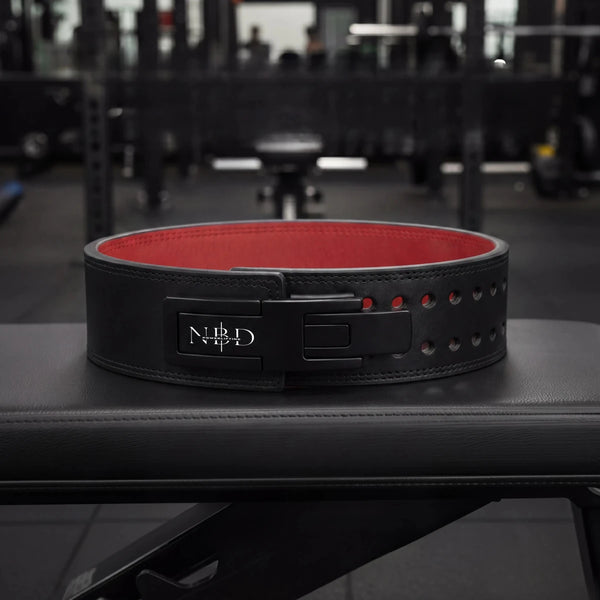 NBD 10mm Dual Pro Lever Belt – Elite Powerlifting Belt | Premium LeatherPowerlifting Belt
View product
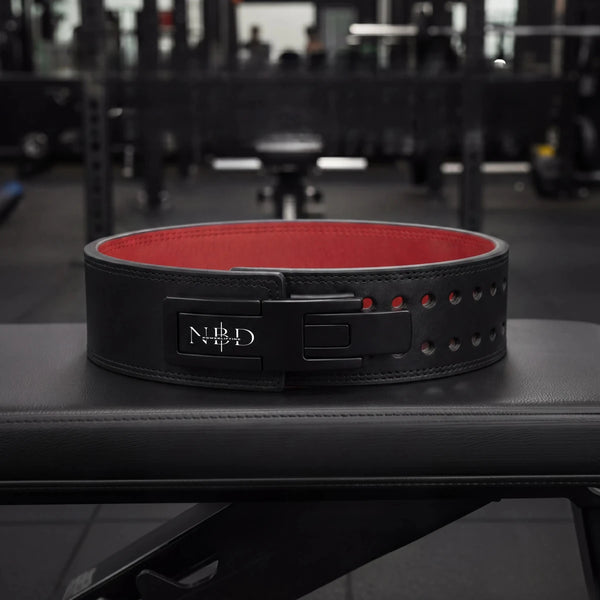 NBD 13mm Dual Pro Lever Belt – Elite Powerlifting Belt | Premium LeatherPowerlifting Belt
View product
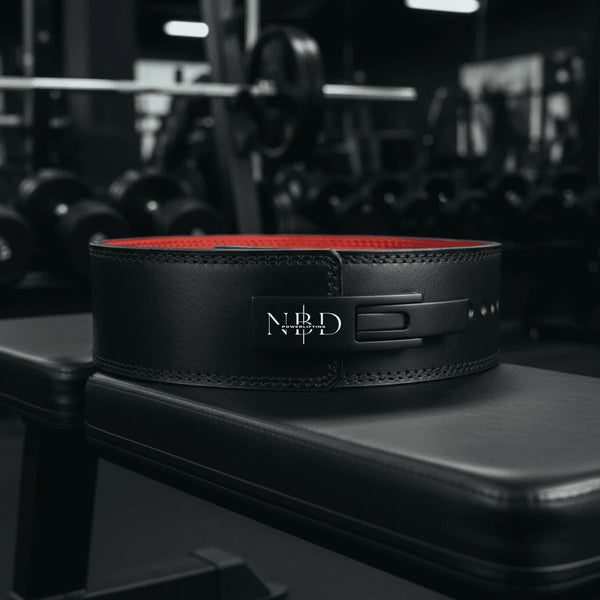 NBD 10mm Lever Belt – Premium Leather | Choose from all Classic, Dual Pro, Gold Lever VariantsPowerlifting Belt
View product
NBD 13mm Lever Belt – Premium Leather | Choose from all Classic, Dual Pro, Gold Lever VariantsPowerlifting Belt
View product
READY TO GEAR UP?
Shop India's most trusted powerlifting equipment — built for serious lifters.