

How to Remove Sweat Stains From Gym T-Shirts
How to remove sweat stains from gym t-shirts without wrecking the print: what the yellow mark is, what lifts it, and how to stop it returning. COD.
To remove sweat stains from gym t-shirts, turn the shirt inside-out, pre-soak the underarm panel in cold or lukewarm water with an enzyme detergent, work the mark gently with a soft brush, then wash cold and air dry. Heat is what makes the stain permanent, so the rule that matters more than how you treat the mark is this one: no hot water, no iron and no tumble dryer until the yellow has actually lifted.

A sweat stain on a gym t-shirt is not one stain. It is two different substances sitting in the same patch of fabric, and they respond to opposite treatments — which is why a single soak so often looks like it worked and then the yellow is back a fortnight later. Almost every piece of stain advice online is written for an office dress shirt with no print on it. A heavyweight cotton training tee is a different garment with different rules.
What the yellow mark on a gym t-shirt actually is
Half of it comes from your antiperspirant. Aluminium salts are the active ingredient that blocks the sweat duct, and they do not stay on your skin — they transfer to the fabric and bind there. Research into underarm stain removal is direct about the mechanism: "Aluminum zirconium tetrachlorohydrex gly, a typical antiperspirant, can respond with sweat to make yellow stains on clothing" (Acikgoz Tufan et al., 2017). The salts combine with the oils in perspiration to form a gel-like deposit that water alone barely touches.
The other half is the sweat itself, and it is a protein stain — the same family as blood, grass and mud (Iowa State University Extension and Outreach). Protein stains need an enzyme and time, not force.
That split is the whole reason ordinary advice fails here. A hot wash may shift the aluminium deposit and will simultaneously cook the protein into the yarn. A cold enzyme soak works on the protein and leaves the deposit sitting there. You have to plan for both, in the right order, and the order is: cold first, always.
The removal routine that will not wreck the print
Do this as soon as you notice the mark, and do it before the shirt has been through any heat.
Turn the tee inside-out so the underarm panel is facing you and the print is protected. Fill a bucket or a basin with cold to lukewarm water — Iowa State Extension puts the ceiling at "less than 100 degrees F", which is under 38 °C, cooler than a comfortable shower. Add an enzyme detergent, the kind sold for stain removal rather than a plain bar or a softener-heavy liquid.
Let the panel soak. An hour is a reasonable minimum and overnight is not too long for a mark that has been there a while. Then work the stained area with a soft brush — an old toothbrush is the right size for an underarm panel — using short strokes along the weave rather than scrubbing in circles. Cotton yarn will pill if you attack it.
Wash the tee on a normal cold cycle after the soak, inside-out, with nothing heavy in the drum beside it. The routine cycle for a printed or acid-washed piece is covered properly in how to wash an acid wash tee and it is worth following exactly — this article is only about what you do before that cycle, not instead of it.
Then the step almost everyone skips: look at the shirt while it is still wet. A wet stain is much fainter than a dry one, so hold the panel up to a light and look at the weave rather than the colour. If you can still see it, repeat the soak. Do not put it away, do not iron it, and do not hang it in hard sun to speed things up.
What makes a sweat stain permanent
Heat. That is the short version, and it is worth knowing why, because the mechanism explains all four refusals below.
Iowa State Extension states it plainly: "Protein stains will set if exposed to hot water, an iron, or a dryer. Heat cooks the protein, causing coagulation between the fibers in the yarns of the fabric, making the stains more difficult to remove." Coagulated protein is physically wedged between the fibres. No detergent reaches it after that.
So, four things not to do while a mark is still visible:
- No hot wash. The research that found 60 °C more effective was measuring antiperspirant residue on plain fabric, not the protein half and not a printed garment. On a tee you want to keep, the protein half is the half that becomes irreversible, so cold wins the argument.
- No tumble dryer and no iron. Both cook the stain in. Direct ironing is separately banned on a printed or acid-washed surface, which is why the care instruction on every NBD oversized tee reads do not iron the washed surface directly.
- No drying a still-stained tee in hard sun. Sun drying is fine once the mark has gone. Before that, it bakes it.
- No chlorine bleach. It reacts with the protein and deepens the yellow instead of lifting it, and on a coloured or acid-washed piece it takes the dye with it.
The honest limit: an older tee that has already been through a dryer
If the mark is months old, has been washed hot, or has been through a tumble dryer, treat full removal as unlikely rather than expected. Repeat enzyme soaks will usually lighten it — three or four cycles over a week is a fair trial — but a protein stain that has coagulated into the yarn is mechanically stuck, and no honest routine promises it comes out.
That is worth saying because the alternative is spending a month on a shirt that was finished before you started. A tee whose underarm panel has gone stiff and discoloured has usually also thinned there, and at that point it is a training-only shirt, not a rescue project.
How to stop sweat stains happening at all
Prevention here is genuinely more effective than removal, and most of it costs nothing.
Let your antiperspirant dry completely before the shirt goes on. Wet product transfers straight into the fabric; dry product mostly stays put. Two minutes is the whole intervention.
Use less of it, and only where it is needed. The aluminium load on the fabric scales with how much you apply.
Do not leave the tee balled in your gym bag. A damp shirt in a closed bag keeps the sweat in contact with the fibres for hours at body temperature, which is exactly the condition the stain needs. Pull it out when you get home even if you cannot wash it yet, and hang it somewhere with air.
Wash sooner rather than in a weekend batch. A fresh mark lifts in one soak; a week-old one takes three.
Skip fabric softener on training tees. It leaves a film that traps residue against the fibres rather than letting it rinse away.
Drying a heavy cotton tee through the monsoon
For a good half of the year in most of India, the constraint is not the wash — it is getting the shirt dry afterwards. None of the stain guides written for temperate climates mention this at all.
Dry the tee flat, indoors, somewhere air is actually moving: a fan on low pointed across the room does more than an open window on a still, humid day. A sealed room with wet laundry in it just recycles the same damp air. Give the underarm panel space rather than letting it fold against itself, because that is the slowest part of the garment to dry and the part you just treated.
A tee that sits damp for a day or two will start to smell whether or not the stain came out, and that is a separate problem with a separate answer — the fabric side of it is covered in cotton or polyester for a gym t-shirt.
What a heavier cotton tee changes
Fabric weight changes the timeline, not the method. NBD's oversized pieces such as the Forged by Repetition tee are 100% combed cotton at 240 GSM, roughly a third heavier than a standard gym tee, and they run in six sizes, XS to XXL. That weight is why the garment holds its shape through years of washing instead of going shapeless in a season — and it is also why it holds more water and takes noticeably longer to dry.
The lighter Classic Tee is 100% cotton at 180 GSM in a regular fit, and it runs the full ladder from XS to 7XL. It dries faster, which makes the same-day wash easier to keep up, but a thinner panel also shows a set-in mark sooner.
What does not change between them is the treatment. Both are cotton, both stain the same way, and both are sold with the same instruction: cold wash, inside-out. If you want the reasoning behind fabric weight as a buying decision rather than a laundry one, that is set out in what GSM is good for a gym t-shirt.
FAQ
Why do gym t-shirts turn yellow under the arms?
Two things cause it together. Aluminium salts from antiperspirant transfer into the fabric and bind with the oils in sweat to form a deposit that water barely shifts, and the sweat itself leaves a protein stain in the same patch. The yellow you see is both of them combined, which is why one treatment rarely clears it.
Does sweat alone stain a t-shirt yellow?
Sweat on its own leaves a protein stain, which usually looks like a dull grey or faint tan patch rather than strong yellow. The pronounced yellowing that builds up over months is mostly the antiperspirant reacting with it. That is why people who stop using antiperspirant often see far less discolouration on the same shirts.
Can you remove sweat stains without bleach?
Yes, and bleach is the wrong tool anyway. Chlorine bleach reacts with the protein in a sweat stain and deepens the yellow rather than lifting it, and on a coloured or acid-washed tee it damages the dye. A cold enzyme pre-soak followed by a normal cold wash is both safer and more effective.
Does hot water remove sweat stains better?
No, not on a garment you want to keep. Research on antiperspirant residue did find higher wash temperatures more effective on that half of the stain, but heat coagulates the protein half into the yarn permanently. Since the protein half is the irreversible one, cold to lukewarm water is the correct choice on a cotton tee.
Will a sweat stain come out of a printed gym t-shirt?
Often, if you catch it early and keep heat away from it. Turn the tee inside-out so the print faces the drum, soak and brush only the underarm panel, and never iron over the print or put the shirt in a tumble dryer. The print survives cold washing indefinitely; it does not survive heat.
How do I stop a gym t-shirt smelling as well as staining?
Getting it fully dry is most of the answer, because odour comes from bacteria living in trapped moisture rather than from the stain. Do not leave the shirt damp in a closed bag, dry it flat with air moving around it, and avoid fabric softener, which leaves a film that holds residue in the fibres.
Does a heavier cotton tee stain more than a lighter one?
No. The staining chemistry is identical because both are cotton. What changes is timing: a 240 GSM piece holds more water and dries more slowly, so it stays damp longer after a wash, while a lighter 180 GSM panel shows a set-in mark earlier because there is less fabric to hide it.
How long can a sweat stain sit before it is permanent?
There is no fixed deadline, but the practical answer is that a fresh mark usually lifts in one soak, a mark left a week takes several, and any mark that has been through hot water, an iron or a tumble dryer may never fully clear. Heat, not time, is what fixes it.
Every NBD tee ships pan-India from Sirsa, Haryana, where Karman Singh started the brand in 2014, with cash on delivery available at an extra charge. NBD Powerlifting is an Indian manufacturer of competition-grade powerlifting equipment — lever belts, knee sleeves, wrist wraps and lifting straps — serving 15,500+ lifters across India.
Built and shipped from India, for lifters who never back down.
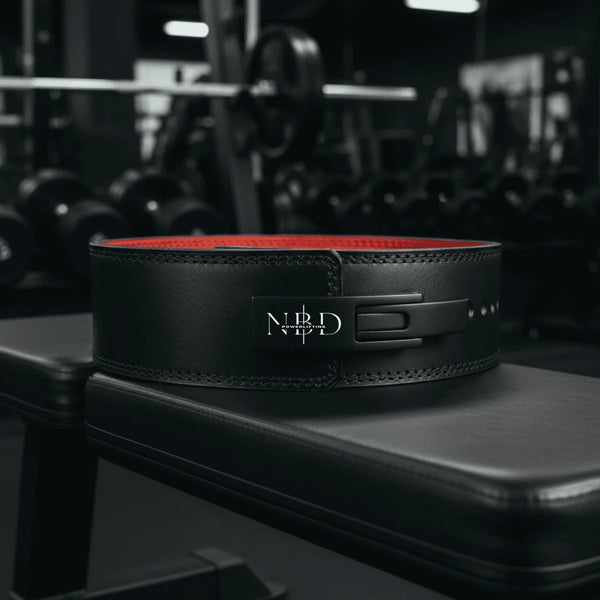 NBD 10mm Lever Belt – Premium Leather | Choose from all Classic, Dual Pro, Gold Lever VariantsPowerlifting Belt
View product
NBD 10mm Lever Belt – Premium Leather | Choose from all Classic, Dual Pro, Gold Lever VariantsPowerlifting Belt
View product
 NBD Knee Sleeves 7mmKnee Sleeves
View product
NBD Knee Sleeves 7mmKnee Sleeves
View product
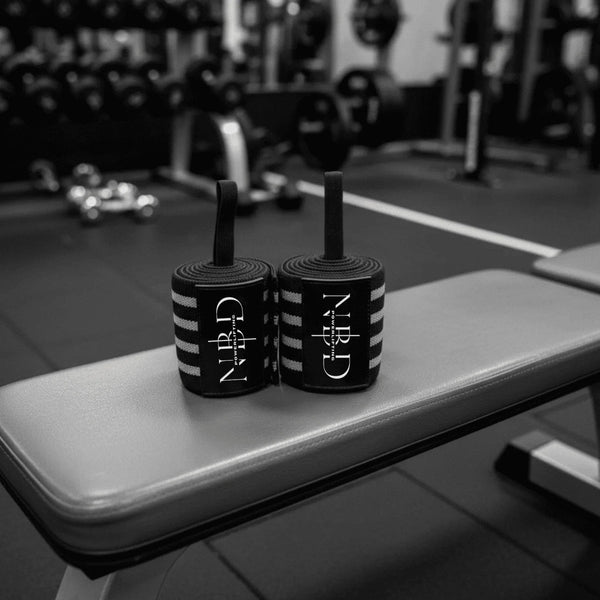 NBD Special 'Wrist Wraps'Wrist Wraps
View product
NBD Special 'Wrist Wraps'Wrist Wraps
View product
 NBD Liquid ChalkLiquid Chalk
View product
NBD Liquid ChalkLiquid Chalk
View product
READY TO GEAR UP?
Shop India's most trusted powerlifting equipment — built for serious lifters.