

What to Expect in Your First 3 Months of the Gym
What actually changes in your first 12 weeks of training - strength, technique, then visible change - and how to tell whether it is working.
Here is what to expect in your first three months of the gym, in the order it actually arrives: coordination and confidence first, then the weights on the bar, then technique that holds together when you are tired, and visible change in the body last and slowest. The scale is the least honest instrument on that list, which is why so many people conclude nothing is working at almost exactly the point where it has started to.
Most pages answering this question answer it with a figure — so many kilos of muscle, so much fat, by such and such a week — and those figures contradict each other flatly. This one gives you the sequence instead, because the sequence is the part that holds regardless of your starting point, your gym or your genetics.

The order things change in — and why the scale is last
Nothing about a first training block happens all at once. Four different things are changing, on four different clocks.
Your nervous system goes first. Before a muscle gets bigger, you get better at using the one you have. Motor patterns tighten, the movement stops feeling foreign, and the weight that felt heavy in week one moves in week three with no visible change to you at all. This is real adaptation. It is simply invisible.
The bar follows. Once the pattern is stable, load starts going up. For most people this is the first evidence that anything is happening, and it is the only one that arrives with a number attached that you did not have to guess at.
Technique consistency comes third. Not your best rep — your worst one. The difference between a lifter three weeks in and a lifter three months in is not the top set, it is that the fifth rep still looks like the first.
Body composition is last. Structural change is slow, it is partly hidden by water and food volume, and it does not report itself on a daily basis. Almost everyone who quits does so in the gap between the third thing and the fourth — the point where the training is genuinely working and the mirror has not caught up.
Weeks 1 to 4: almost everything that changes is invisible
In the first four weeks you are learning, not building. That is not a consolation prize; it is the phase everything else is built on.
Expect soreness that is worst after the first two or three sessions and then settles considerably — not because you have stopped working, but because your body adapts to the novelty faster than to the load. Expect appetite to move, in either direction. Expect sleep to change. Expect to feel clumsy under a bar you have never held before, and to feel noticeably less clumsy by the end of the month.
What you should not expect is to feel different in the mirror. "I feel exactly the same" at week three is the normal report, not a failure signal. The one thing that matters in this window is that you turn up and that you record what you did, because in four weeks' time that record is the only evidence you will have.
If you train in an ordinary Indian commercial gym, some of the first month is also logistics — finding out which rack is free at your hour, whether the plates go up in small enough jumps, whether the bar is actually the weight everyone says it is. Solve that early. It saves you weeks later.
Weeks 5 to 8: the weights move before the mirror does
This is the window where honest evidence starts to exist, and it is on the bar rather than in the glass.
Progress here is not dramatic. It looks like the same lift for the same reps at a slightly higher load, or the same load for one more rep, or the same set feeling meaningfully easier than it did a fortnight ago. Any of those three is progress. Waiting for all three at once is how people talk themselves out of a working programme.
The most common mistake in this window is changing the programme. If the load has moved at all, the programme is doing its job and the only thing that will break it is a restart. Novelty feels productive and is not.
What to write down
A logbook is the single highest-value habit of a first training block, and it takes under a minute a session. Four columns is enough:
- Date and session — which day of the week's plan this was.
- Exercise — the same names every time, so the rows line up.
- Weight and reps for each set — every set, not the best one.
- One word on how it felt — easy, fine, hard, ugly.
A note on your phone beats memory, and it beats memory by more than you think. Human recall of last week's training is systematically flattering. The log is not for your coach; it is so that in week nine you can look at week five and see something you would otherwise have sworn did not happen.
Weeks 9 to 12: what other people notice first
Around the third month, other people usually notice before you do — and they notice things that are not weight.
Clothes are the honest early signal, especially at the waistband and across the shoulders and back. Posture changes. So does work capacity: stairs, a day of carrying things, a long walk in the heat. These shift before any figure on a scale does, and they shift because the body is being reorganised rather than simply reduced.
If you want one measurement to take, take the tape at the navel, first thing in the morning, once a week, same conditions. It is a better instrument than the scale for the same reason a logbook is better than memory: it measures the thing you actually care about instead of a proxy for it.
Why the scale can go up while you are getting leaner
Bodyweight is the sum of several things that move independently. Muscle tissue, glycogen and the water stored with it, the food and fluid currently in you, and fat. Training and eating properly increases some of those at the same time as it reduces another, and the total can sit still or rise for weeks while the composition underneath it changes.
This is ordinary, it is well described, and it is not a sign that something has gone wrong. It is simply a reason not to give a single daily number the authority to overrule the tape, the logbook and your clothes.
The four reasons three months in the gym produces nothing
When twelve honest weeks genuinely produce nothing, it is almost always one of four things — and in this order.
1. The load never actually increased. Turning up is not the same as training. If the numbers in the logbook in week eleven are the numbers from week two, the body was never asked to change, and it did the sensible thing.
2. Protein was never actually counted. Not eyeballed — counted, at least once, to find out where you really are. This matters more on an Indian plate than most beginners expect. National consumption data analysed by the Council on Energy, Environment and Water put average at-home protein intake in India at about 55.6 g a day, with nearly half of it coming from cereals and pulses supplying around 11 per cent against a recommended 19. That is a distribution problem, not a willpower problem, and it is fixable without buying anything: how to hit a protein target on an Indian vegetarian diet walks through it.
3. Attendance was not what you remember. Count the sessions in the log, not in your head. Two sessions a week that felt like three is one of the most common findings when a training log is read for the first time.
4. The programme changed every fortnight. Nothing gets a chance to work. A block has to run long enough to be judged, and twelve weeks of one plan will always beat six plans of two weeks.
Notice that three of the four are only diagnosable from a written record. That is the real argument for the logbook.
What "it is working" looks like when the mirror disagrees
Three checkable signals, none of which requires you to trust how you feel on a given morning:
- The logbook is trending upward. Not every session — the trend across a month.
- The tape is moving at the waist, or holding while the logbook rises.
- The same weight is getting easier. Same load, same reps, less effort, is progress even when the load has not moved.
If all three are true, the programme is working and the mirror is behind. If none of them is true after twelve weeks, something in the four reasons above is the cause, and it is worth finding out which before changing anything else.
When a beginner actually needs equipment
Not yet, mostly. For the first few months your limiting factor is technique and consistency, not equipment, and buying gear early tends to paper over the thing you should be fixing.
What changes that is load. Once squats and deadlifts are heavy enough relative to your own bodyweight that bracing is the thing that fails first, a belt starts to earn its place — and that is a specific threshold rather than a date on the calendar. When to start using a lifting belt in training sets out where the line actually is; the NBD belts are there when you reach it. Wrist wraps and sleeves follow the same rule: they solve a problem you can describe, or you do not need them.
If you have done twelve honest weeks and nothing has moved
At that point the useful thing is not more effort. It is a second pair of eyes on the record.
What a coach does with a training log is unglamorous and specific: reads whether load actually progressed or only attendance did, checks whether the exercise selection matches the goal and the equipment your gym has, looks at where sessions were missed and why, and watches a video of the lift to see whether the fifth rep resembles the first. What a coach sees in a video form check shows the process on a single lift.
If you want that done on your own training rather than in the abstract, Train With NBD is the coaching side of NBD, and the NBD Training Assessment is the short version — you answer questions about your goal, your history, your training days and what your gym actually has, and a coach comes back on WhatsApp within 24 hours with a recommended path and the reasoning behind it. It is a review, not a sales call.
This article is general training guidance, not medical or clinical advice. If you have a medical condition, are pregnant, or have been advised to modify your exercise or diet for any reason, speak to a doctor before starting or changing a training programme. See our training terms and health disclaimer.
FAQ
Is three months enough to see gym results?
Yes, for the results that arrive first. Coordination, working weights and technique consistency reliably change inside twelve weeks of consistent training. Visible change in the body is slower and depends heavily on your starting point and your food, so a third month often ends with clear evidence in a logbook and only modest evidence in the mirror.
Is it possible to transform a body in 3 months?
That framing is the problem. No honest coach can promise a specific physique by a specific date, because the rate depends on training age, food, sleep, starting body composition and adherence. What twelve weeks can reliably do is build the habit, the technique and the base of strength that later change is built on. Treat the third month as a foundation, not a finish line.
Why is the scale not moving when my clothes fit better?
Because bodyweight is a total, not a composition. Muscle tissue, stored glycogen, the water held with it, and the food and fluid currently in you all move independently of fat. The total can hold steady or rise while the composition underneath changes, which is exactly what better-fitting clothes are telling you.
How do I know whether my programme is working or whether I am the problem?
Read the record rather than your memory. If the logbook shows load or reps trending up across a month, the programme is working. If it shows the same numbers in week eleven as in week two, either the sessions did not happen as often as you think, or the load was never increased. Both are visible in writing and neither is visible in the mirror.
Do I need to change my programme if I see nothing after 8 weeks?
Usually not. Changing the plan is the most common way beginners cancel their own progress, because nothing gets long enough to be judged. First check the four failure points: load, protein, attendance and consistency of the plan itself. Change the programme only once you have confirmed those are not the cause.
Does this differ for women?
The sequence is the same — coordination, then load, then technique, then visible change — and the training principles do not differ. What varies between individuals is the rate and where change shows first, which is influenced far more by starting point, food intake and consistency than by anything else. The same logbook and the same tape answer the question either way.
Built and shipped from India, for lifters who never back down.
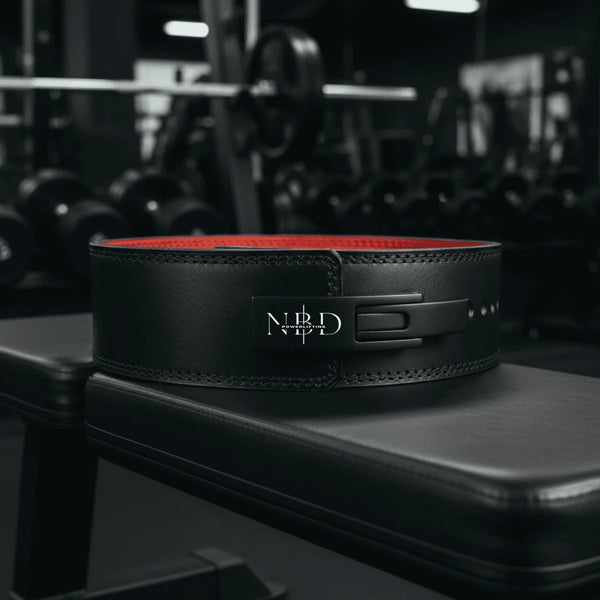 NBD 10mm Lever Belt – Premium Leather | Choose from all Classic, Dual Pro, Gold Lever VariantsPowerlifting Belt
View product
NBD 10mm Lever Belt – Premium Leather | Choose from all Classic, Dual Pro, Gold Lever VariantsPowerlifting Belt
View product
 NBD Knee Sleeves 7mmKnee Sleeves
View product
NBD Knee Sleeves 7mmKnee Sleeves
View product
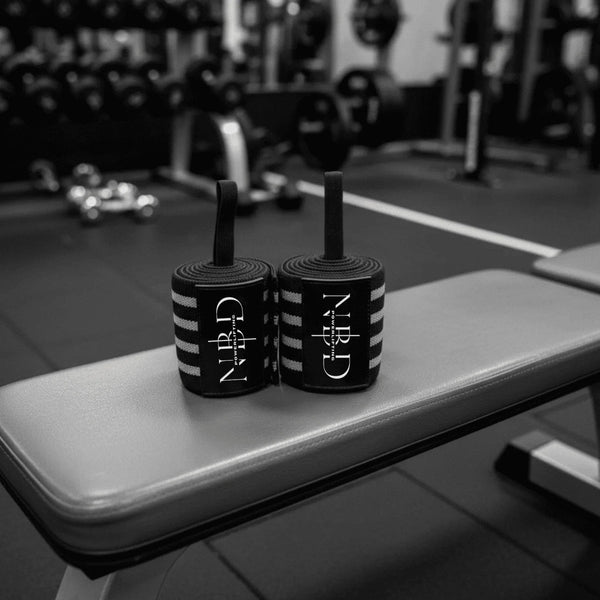 NBD Special 'Wrist Wraps'Wrist Wraps
View product
NBD Special 'Wrist Wraps'Wrist Wraps
View product
 NBD Liquid ChalkLiquid Chalk
View product
NBD Liquid ChalkLiquid Chalk
View product
READY TO GEAR UP?
Shop India's most trusted powerlifting equipment — built for serious lifters.