

How to Lose Fat Eating Hostel or Mess Food You Do Not Control
How to lose fat eating hostel or mess food you do not control: plate order, portion levers, a no-cook room kit, and training as the anchor.
You can lose fat eating hostel or mess food without cooking anything, because the levers that matter most are not the recipe: they are the order you fill your plate, how much of each item lands on it, what you eat outside the mess, and whether you train. Build every mess plate protein first, then vegetables, then a deliberate portion of rice or roti; make the fried side, the sweet and the late-night order planned choices rather than daily defaults; and let a few progressive gym sessions a week anchor the whole thing.
Most pages written for this search hand you a hostel diet plan, with a set breakfast and a set lunch, as if you chose the menu. This one is for the person who eats what the mess serves, at the times it serves it — in a hostel, a PG, a company canteen or on a tiffin service — and still wants to lose fat.

What you control in a hostel mess, and what you do not
Start by sorting the problem honestly, because most of the frustration comes from fighting the half you cannot change.
You do not control: the menu, the oil, the recipe, the portion the server gives by default, or the timings.
You do control: the order you fill the plate, how many rotis or how much rice you take, whether you ask for a second ladle of dal instead of a second helping of rice, what you keep in your room, what you eat after the mess closes, how much you move, and how you sleep.
That second list is longer than it looks, and every item on it moves fat loss more than the oil does. The mess is rarely the whole problem. For most people living on mess food, the extras are: the canteen between classes, the sweet after dinner, the order at midnight.
There is a reason this shows up when it does. India's Dietary Guidelines for Indians, published by ICMR–National Institute of Nutrition in 2024, note a tendency to gain weight around the age of twenty because of less physical activity and more calories — which describes the move into a hostel or a first job almost exactly. It is a predictable change in routine, not a personal failing, and a routine can be rebuilt.
One boundary, stated early: this page is about training and eating practice, not medical advice. If you have a medical condition, or a doctor has given you advice about food, follow that first. Please read the training terms and health disclaimer before acting on anything here.
How to build a fat-loss plate from the mess line
Walk the line in this order, every meal, until you stop having to think about it.
- Protein first. Whatever carries the protein goes on the plate before anything else: dal, and ask for it from lower in the pot where it is thicker; curd or raita; paneer, rajma, chole or soya when they are served; eggs or chicken on the days the mess makes them. A sprout salad counts here too.
- Vegetables second. The sabzi and any salad. ICMR–NIN's My Plate for the Day puts vegetables, fruits, greens and tubers at essentially half of the recommended food for a day, and most mess plates are nowhere near that. Take the full serving, and take a second one before a second anything else.
- Rice or roti last, and decided before you sit down. This is the portion lever. Choose the number of rotis or the size of the rice serving at the counter, not halfway through the meal — the second helping is where most of the extra lands, because it is usually taken without a decision. A sensible first adjustment is one roti fewer, or a slightly smaller mound of rice, than your usual. Then let the tape measure tell you, across a few weeks, whether that was enough.
- Gravy with judgement. You cannot choose the oil, but you can choose how much of it comes with you. Lift the dal and the vegetables with the ladle rather than filling the katori from the layer floating on top, and pick the drier sabzi when there is a choice.
That order does two jobs. It makes sure the protein and the vegetables — the foods that keep you full — actually get eaten, and it turns the carbohydrate portion into a choice instead of a default.

If your mess is vegetarian
On a vegetarian mess plate most of the protein arrives through dal, curd and paneer, and most people take much less of them than they think. How much you actually need, and where the protein sits in ordinary Indian food, has its own article: how to hit your protein target on an Indian vegetarian diet. For the plate, the rule is simple: the protein item is the one you take more of, never the one you leave.
If the mess serves eggs or chicken
On non-veg days, the egg or the chicken goes on the plate first and the rice comes down to make room for it — it does not sit on top of the usual pile of rice. Boiled eggs, where the mess or the canteen makes them, are one of the easiest additions to a hostel day.
The four extras that decide more than the menu
If the plate is sorted and the waist still is not moving, look here next. These four usually carry more energy than anything in the main meal, and all four are choices.
- Fried sides — puri, pakora, bhatura, fried papad. The ICMR–NIN guidelines list deep-fried foods, sugar and excess refined oil among the things to cut down on. That does not mean never; it means not by default.
- The sweet — kheer, halwa, gulab jamun, the Sunday ladoo. Decide in advance which days you will have it, and enjoy it properly on those days.
- Sugary drinks — chai with two spoons of sugar several times a day, cold drinks, packaged juice. The same guidelines recommend cutting down on sugary drinks and choosing water or unsweetened options; buttermilk, where the mess serves it, is the easy swap.
- The second plate of rice. Covered above, and repeated here because it is the most common one.
The rule is planned, not banned. A plan that forbids every sweet in a hostel lasts until the first birthday in the corridor. A plan that says the sweet is on Sunday survives the semester.

What to keep in your room when you cannot cook
The room is where hostel fat loss is usually won or lost, because it is where the unplanned eating happens. Stock it with things that need no cooking and carry some protein or fibre, so the easy option at eleven at night is a sensible one:
- Roasted chana — filling, and it keeps for weeks.
- Peanuts or mixed nuts, decanted into a small container rather than eaten from the full packet.
- Fruit — bananas, apples, guavas, whatever the market near you has.
- Makhana, dry-roasted.
- Curd or milk, if you have a fridge or can buy them daily.
- Sattu, mixed with water, if you like it.
- Boiled eggs from the canteen, if you eat eggs.
What is not on the list is a protein powder. None is required. India's own dietary guidelines recommend getting good-quality protein from combinations of foods and advise against protein supplements for building muscle. If a powder genuinely closes a gap that food cannot, it is a convenience, not the method.
What to keep out of easy reach: the family-size chips, the instant noodles bought by the box, the sweets brought back from home. You do not need to ban them. Just stop storing them where the decision gets made at midnight.
Canteen, late nights and weekends at home
The canteen between classes. Samosa and chai twice a day is a meal nobody counts. Keep the one canteen item you genuinely enjoy, and make the other visit a fruit, a boiled egg or a glass of buttermilk.
Late nights. The midnight order is the biggest extra in many hostel days, and it usually follows a skipped or small mess dinner. Eat the mess dinner even when it is not your favourite, and keep something from the room list for later. Sleep belongs here too: the ICMR–NIN guidelines describe six to eight hours of sleep as necessary to avoid unhealthy eating behaviours, and anyone who has studied through the night knows exactly why.
Weekends at home. Home food is not the enemy of a fat-loss phase. One heavy family meal does not end a trend that runs across weeks. Eat it, enjoy it, and take the same plate order back to the mess on Monday.
Never skip the mess meal to lose fat faster
This is the most common hostel mistake, and it gets its own section. Skipping breakfast or dinner to save calories feels productive and almost always backfires: you reach the canteen or the late-night order hungrier than you would have been, and you eat more of the food with the least in it.
Eat every mess meal. Adjust how much of each item goes on the plate, never whether you eat. The same guidelines are plain that weight should come down slowly and steadily, and that extreme approaches can harm health. A fat-loss phase you can run in a hostel for a whole semester beats an aggressive one that collapses in the second week of exams.
And one boundary that belongs on any honest page about this: if food or the number on the scale has stopped being something you manage and started running your day — skipping meals on purpose, feeling guilty after eating, dreading the mess — that is outside what a strength coach handles, and the right next conversation is with a qualified professional rather than with a programme.
Training is the anchor, not the afterthought
Eating less without training asks your body to lose weight without giving it any reason to keep muscle, which is how people end up lighter and still soft. Training gives the whole plan a direction.
- Lift on the big compound movements, two to four times a week: a squat, a hinge such as the deadlift, a press, a row, and a pull-up or pulldown. A college gym or a basic neighbourhood gym has everything this needs.
- Add load or reps over time, and write it down. A logbook that keeps moving is the signal that the muscle you want to keep is still being asked for.
- Keep walking. A campus day already has a lot of walking in it; protect it rather than trading it for the auto.
If you are new to the gym, what actually changes in your first three months sets out the order progress arrives in. If you already lift and your real question is how to run a deficit without the bar getting lighter, how to cut without losing strength covers the size of the deficit, the training changes and when to stop.
Equipment is not a first purchase here; food, sleep and consistency are the limit for months. It becomes relevant only once your squats and deadlifts are heavy enough that bracing is what fails first — then a lifting belt earns its place on the top sets, and not before.
How to tell it is working when you cannot weigh your food
You cannot weigh a mess plate, and you should not try. Track what you can actually measure instead:
- The four levers, as a simple daily tick: plate order followed, carbohydrate portion decided at the counter, extras planned, trained or walked.
- The tape at the navel, first thing in the morning, once a week, same conditions.
- The logbook. Lifts holding or rising while the tape comes down means the weight you are losing is mostly fat.
- Bodyweight, if the hostel gym has a scale, as a monthly trend rather than a daily verdict.
If the ticks are consistently done and the tape has not moved in a month, change one thing — usually the carbohydrate portion or one of the extras — and hold it. Change one thing at a time, so you know which one worked.
When a coach is worth it
Most people can start with the rules above. Where it goes wrong on mess food is judgement and structure: a plan that does not fit the mess timetable, an exam fortnight that undoes everything, not knowing whether the tape is genuinely flat or just noisy.
That judgement is what Train With NBD is for — science-based programming written for the gym you actually train in, with a real coach reading your log. The first step is the NBD Training Assessment: a written intake covering your goal, your training history, the days you can genuinely train and the equipment your gym has, read by a Level 4 coach on Team NBD, who comes back to you on WhatsApp within 24 hours with a recommended path and the reasoning behind it. It is a review, not a sales call.
FAQ
Can you lose fat eating hostel mess food?
Yes. You cannot control the recipe, but fat loss depends far more on how much of each item you take, what you eat outside the mess and whether you train. Build the plate protein first, then vegetables, then a deliberate portion of rice or roti; make fried sides, sweets and late-night orders planned choices; and lift a few times a week.
What should I eat in a hostel mess to lose weight?
Eat what the mess serves, in a better order. Take the protein item first — dal, curd, paneer, eggs or chicken — then a full serving of sabzi or salad, then decide your rice or roti portion at the counter rather than halfway through the meal. Keep gravy, fried sides and sweets as occasional choices, not daily defaults.
How many rotis should I eat for fat loss?
There is no single right number, because it depends on your size, your training and the rest of your day. A practical start is one roti fewer than your usual, or a slightly smaller mound of rice, decided before you sit down. Hold that for a few weeks and let the tape at your navel tell you whether to adjust again.
Is rice bad for fat loss?
No. Rice fuels your training, and it is the easiest filling food a mess serves. The problem is rarely the rice itself; it is a plate that is mostly rice, and a second helping taken without deciding to. Keep the rice, put the protein item and the vegetables on first, and choose the portion before you start eating.
What can I eat in my hostel room without cooking?
Roasted chana, peanuts or nuts in a small container, fruit, dry-roasted makhana, sattu mixed with water, and curd or milk if you have a fridge. Boiled eggs from the canteen work if you eat eggs. None of it needs a stove, and having it within reach is what stops the midnight order from becoming a habit.
Should I skip mess dinner to lose fat faster?
No. Skipping a meal usually ends in the canteen or a late-night order, eating more of the food with the least in it. Eat every mess meal and adjust how much goes on the plate instead. Slow, steady progress that survives exam season beats an aggressive plan that collapses the moment the semester gets hard.
If you want the plate, the training and the point at which to change them set for your mess and your timetable rather than for an average, that is what the NBD Training Assessment is for. NBD Powerlifting is an Indian manufacturer of competition-grade powerlifting equipment — lever belts, knee sleeves, wrist wraps and lifting straps — serving 15,500+ lifters across India, and its coaching side works with lifters on fat loss, muscle and strength.
Built and shipped from India, for lifters who never back down.
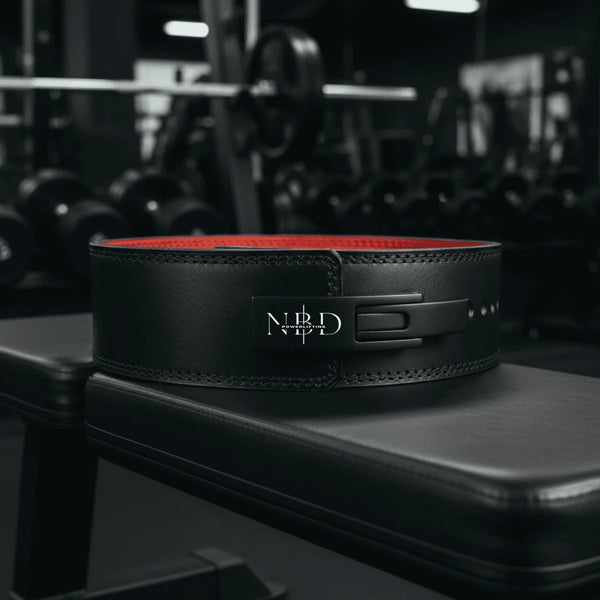 NBD 10mm Lever Belt – Premium Leather | Choose from all Classic, Dual Pro, Gold Lever VariantsPowerlifting Belt
View product
NBD 10mm Lever Belt – Premium Leather | Choose from all Classic, Dual Pro, Gold Lever VariantsPowerlifting Belt
View product
 NBD Knee Sleeves 7mmKnee Sleeves
View product
NBD Knee Sleeves 7mmKnee Sleeves
View product
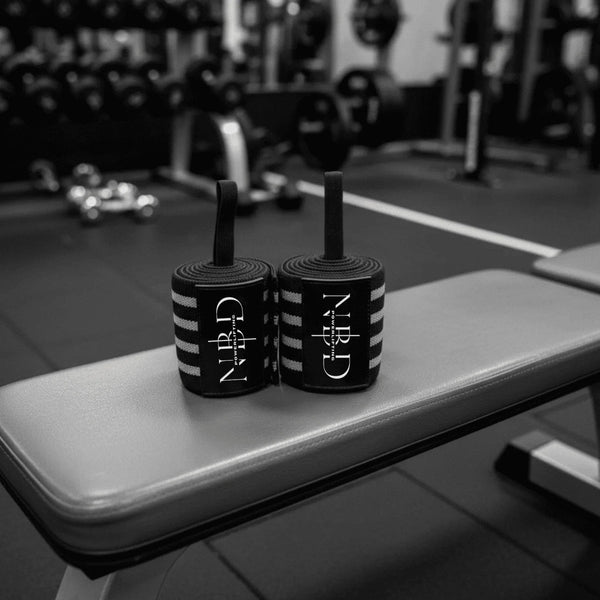 NBD Special 'Wrist Wraps'Wrist Wraps
View product
NBD Special 'Wrist Wraps'Wrist Wraps
View product
 NBD Liquid ChalkLiquid Chalk
View product
NBD Liquid ChalkLiquid Chalk
View product
READY TO GEAR UP?
Shop India's most trusted powerlifting equipment — built for serious lifters.