

How to Wash Knee Sleeves (And Stop the Smell)
Neoprene knee sleeves start to smell within weeks. How to wash them, how often, and the drying mistake that quietly costs you compression.
Hand-wash knee sleeves in cold water with a small amount of mild soap, then air-dry them flat, inside out, away from direct heat and sunlight. Do that every two or three sessions and they will not smell.
The part most lifters get wrong is not the washing — it is the drying. Neoprene is a foam, and heat permanently softens foam. A radiator, a hot car dashboard or a tumble dryer will take the snap out of a pair of sleeves faster than a year of training will.
Why knee sleeves start to smell
It is not dirt. Neoprene is closed-cell foam with a fabric laminate on both faces, and that laminate holds sweat. Roll a damp pair up, push them to the bottom of a gym bag and zip it shut, and you have made a warm, dark, airless box with a food source in it. Bacteria do the rest, usually within two or three weeks of regular use.
This is why sleeves that get rinsed but never dried properly smell worse over time, not better. Water without airflow is the problem, not the solution.
Two things follow from that. First, drying matters more than washing. Second, the single highest-value habit is simply taking them out of the bag when you get home — before you do anything else.
The wash routine
You need cold water, a mild soap, and somewhere flat to dry. Nothing else.
1. Turn them inside out. The inner face is the one against your skin and it holds most of the sweat. It is also the face that never gets airflow when they are rolled up.
2. Soak for 10-15 minutes in cold water with a small amount of mild detergent or plain hand soap. Cold, not warm. Neoprene tolerates cold water indefinitely and dislikes heat.
3. Work the fabric gently with your hands. Squeeze the soapy water through the material rather than scrubbing it. There is nothing embedded in the surface that needs abrasion.
4. Rinse until the water runs clear. Leftover detergent is itself a smell source once it dries.
5. Press the water out — never wring. Wringing creases the foam, and a hard crease in neoprene can stay. Lay them on a towel, roll the towel up, and press.
6. Air-dry flat, inside out, then flip. Somewhere with moving air and no direct sun. Give the inner face several hours before you turn them the right way round and let the outer face finish.
Expect a full dry to take most of a day in normal Indian indoor conditions, and longer in humidity. If they are still cool to the touch, they are still damp.
How often
For most lifters, every two to three sessions is the right rhythm, with a rinse-and-dry after any session where they came off genuinely soaked.
Washing more often than that is not harmful, but it is rarely necessary — and each wash is another drying cycle to get right. What matters far more than frequency is that they are unrolled and drying within an hour of finishing training, every single time.
If you train daily, two pairs solves the problem better than a stricter washing schedule does. That is also the argument for keeping an older pair once you replace them.
The drying mistake that costs you compression
This is the part worth reading twice.
Never tumble-dry knee sleeves. Never dry them on a radiator, in direct sun, or on a car dashboard. Neoprene's support comes from the elasticity of the foam — the resistance you feel when you pull a sleeve over your knee is the product doing its job. Heat breaks down that cell structure, and the change is one-way. Nothing brings it back.
The failure is quiet, which is what makes it dangerous. Heat-damaged sleeves do not tear or visibly deform. They just go on a little more easily each month, until one day they slide up without effort and you assume they have "stretched out" or that you bought the wrong size. Usually they were cooked.
A pair of 7mm sleeves that gets air-dried will hold its compression for years of regular training. The same pair dried on heat can feel noticeably softer within months.
What not to use
- No bleach. It attacks both the laminate and the stitching.
- No fabric softener. It leaves a coating on the fabric face that traps odour instead of releasing it — the opposite of what you want.
- No hot water, for the same reason as no hot drying.
- No washing machine, and especially no spin cycle. The agitation creases the foam and the spin is a wringing action.
- No scrubbing brush. Neoprene laminate pills when you abrade it.
If they already smell
A pair that has been left damp in a bag for weeks needs a reset rather than a normal wash.
Soak them inside out for 30-45 minutes in cold water with a cup of white vinegar — no detergent for this soak. Vinegar deals with the bacteria that ordinary soap leaves behind. Rinse thoroughly, then wash normally with a mild soap to remove the vinegar smell, then dry as above with as much airflow as you can give them.
If a strong smell survives two full reset cycles, it has usually got into the stitching and seams rather than the fabric face, and it is unlikely to come out completely. That is the point at which most lifters replace them.
When to replace, honestly
Knee sleeves are consumables. Compression is the whole product, and compression fades.
Replace them when they go on easily with no resistance, when the seams are lifting, or when they no longer feel warm and tight through a working set. For a lifter training three or four times a week and caring for them properly, that is typically a couple of years — much sooner if they have been heat-dried.
If you are replacing them, it is worth re-reading the 5mm vs 7mm comparison before you buy the same thing again, and re-measuring rather than assuming your old size. Sleeves are sized by knee circumference, not by trouser size — the knee sleeve size guide walks through it. NBD's 7mm knee sleeves come in four sizes, S through XL.
And if you are wrapping for maximal singles rather than training volume, the trade-off between the two is covered in knee sleeves vs knee wraps.
The same care logic applies across the rest of your kit — the approach for washing an acid-wash tee is different in the details but identical in principle: cold water, no heat, air-dry.
FAQ
How often should you wash knee sleeves?
Every two to three sessions for most lifters, and after any session where they came off soaked. Frequency matters less than drying — unroll them and get air to them within an hour of training every time. If you train daily, owning two pairs solves the problem better than washing more often.
Can you put knee sleeves in the washing machine?
No. The agitation creases the neoprene foam and the spin cycle acts like wringing, which can leave permanent creases. Machine washing also usually means machine drying, and heat permanently softens neoprene. Hand-wash in cold water with mild soap and air-dry flat instead — it takes about ten minutes of actual effort.
How do you get the smell out of knee sleeves?
Soak them inside out for 30 to 45 minutes in cold water with a cup of white vinegar and no detergent, then rinse and wash normally with mild soap. Vinegar handles the bacteria that soap leaves behind. Dry with plenty of airflow. Smell that survives two resets has usually reached the seams.
Does washing knee sleeves ruin the compression?
Washing does not — heat does. Cold water and air-drying will not affect compression at all. Tumble drying, radiators, direct sun and hot car interiors break down the foam's cell structure permanently, and the sleeves get easier to pull on over time. That change cannot be reversed, so keep them away from every heat source.
How long do knee sleeves take to dry?
Most of a day in normal indoor conditions, and longer in humid weather. Dry them inside out first so the inner face gets airflow, then flip them. If the neoprene still feels cool to the touch it is still holding moisture — putting them away at that point is exactly how the smell starts.
Can you wear knee sleeves without washing them?
You can, but they will start to smell within two or three weeks of regular use, and the bacteria causing it also break down the fabric laminate over time. Airing them out after every session gets you most of the benefit; a proper wash every two to three sessions gets you the rest.
NBD Powerlifting is an Indian manufacturer of competition-grade powerlifting equipment — lever belts, knee sleeves, wrist wraps and lifting straps — serving 15,500+ lifters across India. Written by Karman Singh, who founded NBD in Sirsa, Haryana in 2014.
The gear this guide is written about. Built and shipped from India.
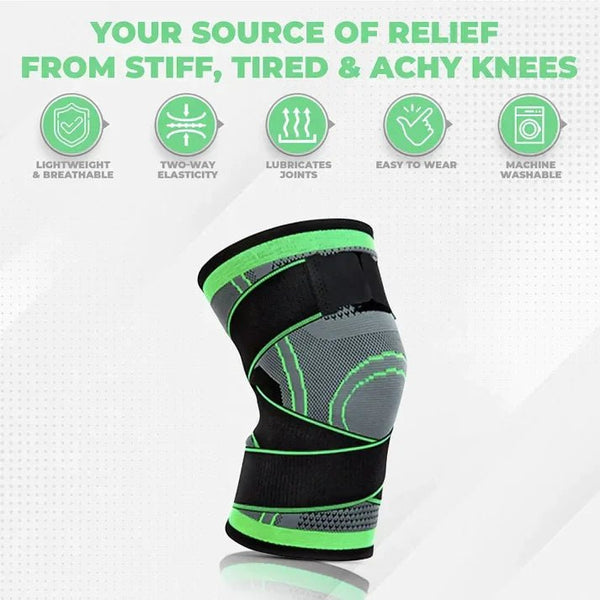 Compression knee sleeves with embracing strapsKnee Sleeves
View product
Compression knee sleeves with embracing strapsKnee Sleeves
View product
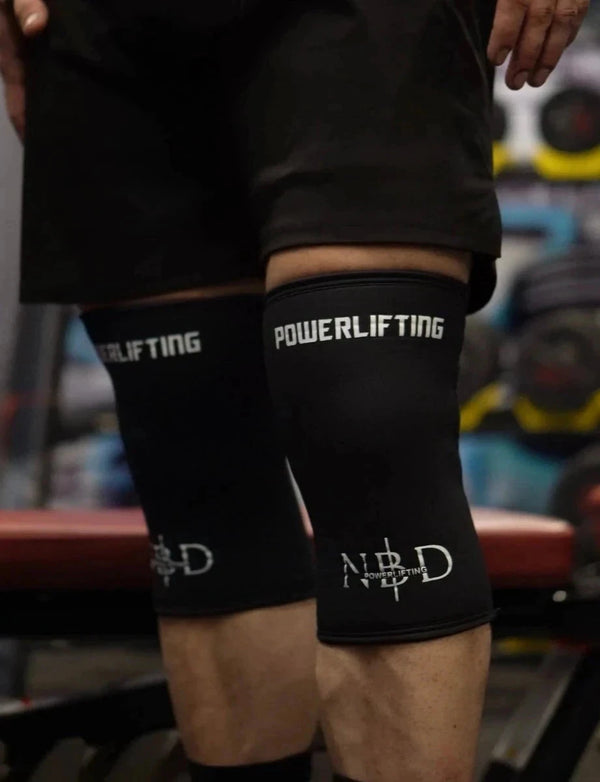 NBD PRO 7mm Powerlifting Knee Sleeves - Maximum Support & StrengthKnee Sleeves
View product
NBD PRO 7mm Powerlifting Knee Sleeves - Maximum Support & StrengthKnee Sleeves
View product
READY TO GEAR UP?
Shop India's most trusted powerlifting equipment — built for serious lifters.